
MEGA MUSEUMS CATCH UP PART 2
Lollll she's working on it!! she's chipping away at it!!!!

That’s right, we’re BACK, we are COMMITTED, and we are PUSHING this second big old catch-up post through the gates and seeing what comes out of it!
You guys know the drill. Three pictures and a brief description of each of the museums I saw from mid-July to mid-October. No more, no less. With any luck we’ll be back on our regular full-sized posts before too long.
Memor Museum
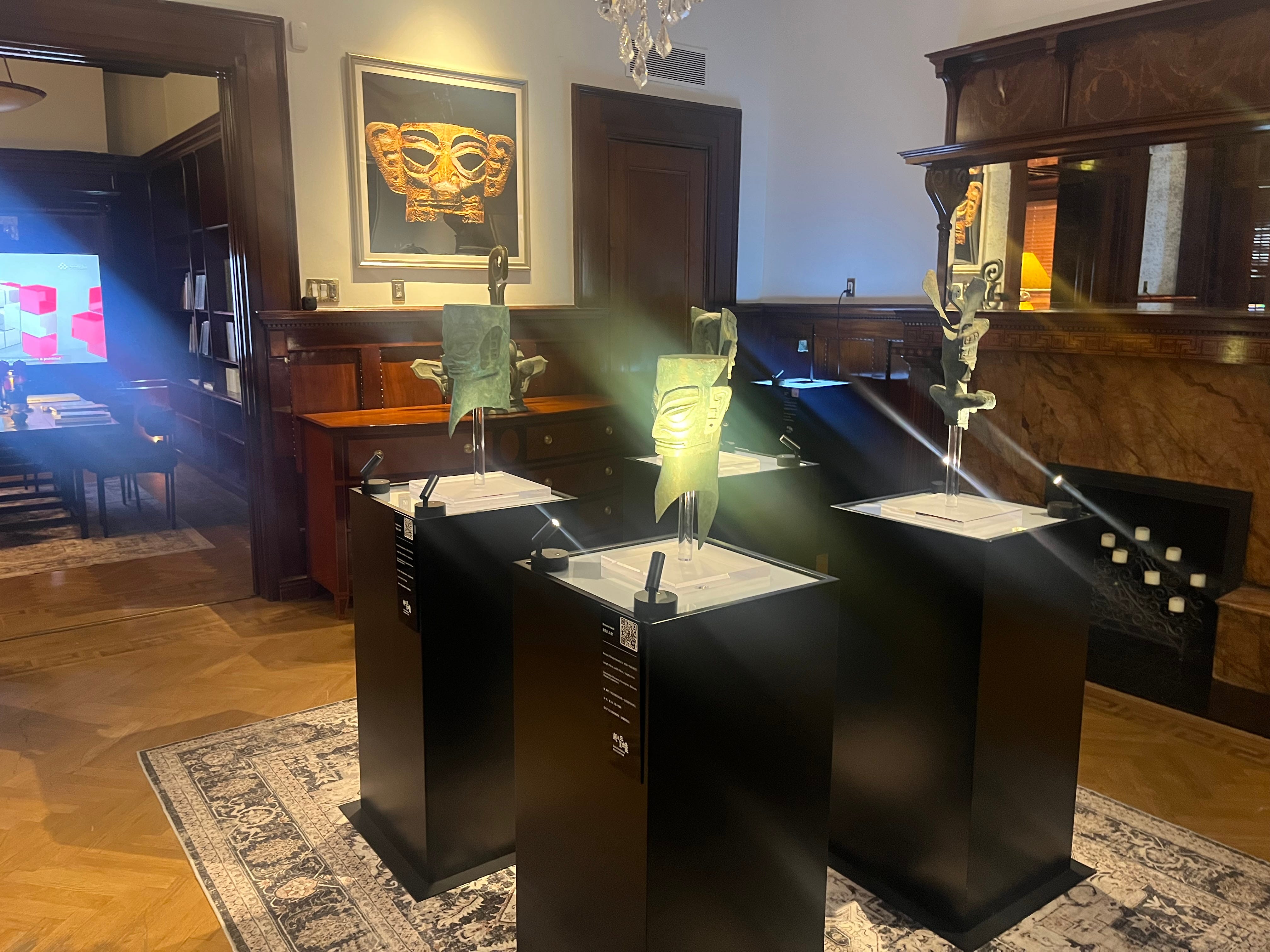
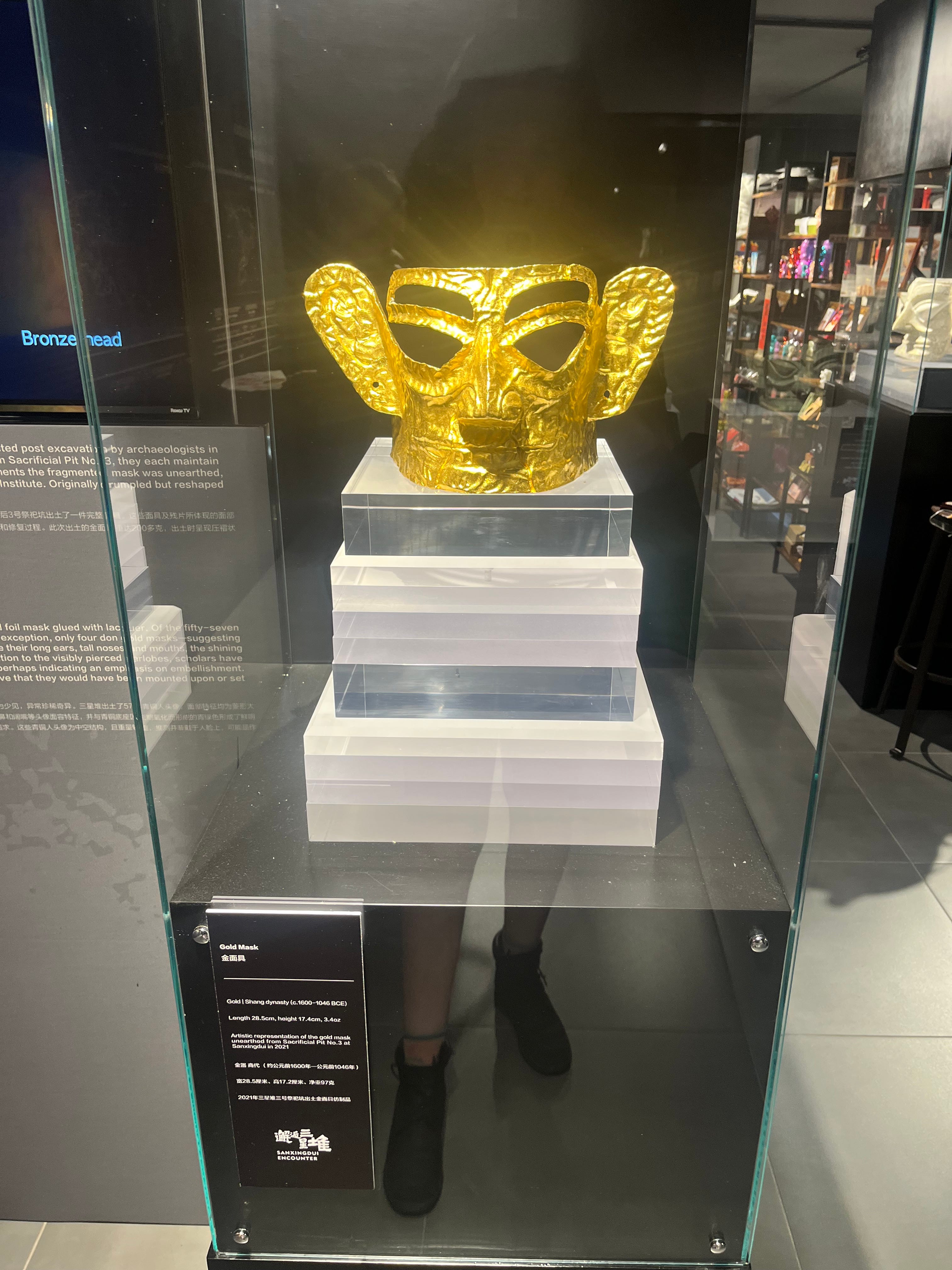
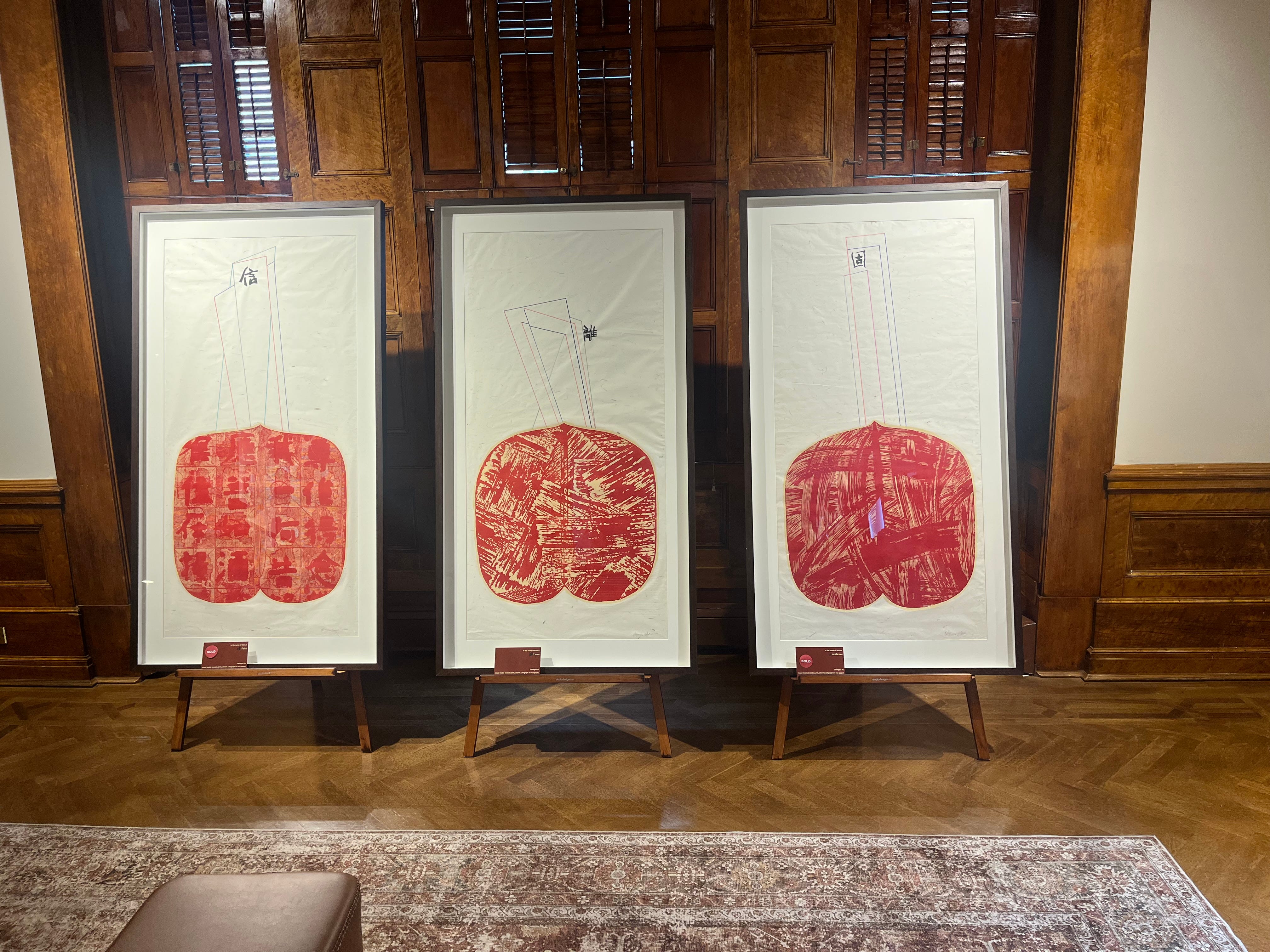
The Memor Museum is a fairly new museum that fills the space of an upper east side brownstone just around the corner from the Met with displays of Asian culture. At the time I visited, there were two main exhibtions: one was The Light of the Sun: Ancient Shu Celebration and the World, an exploration of an archaelogical find of several artifacts from the Shu civilization presented through a variety of high-tech mediums— VR, 3D printed replicas of the artifacts, and a very sweaty projections room. The other was The Beauty of Harmony and Unity: Walnut, an exhibition of the prints of Zhongou Xu inspired by the humble walnut.
Mmuseumm
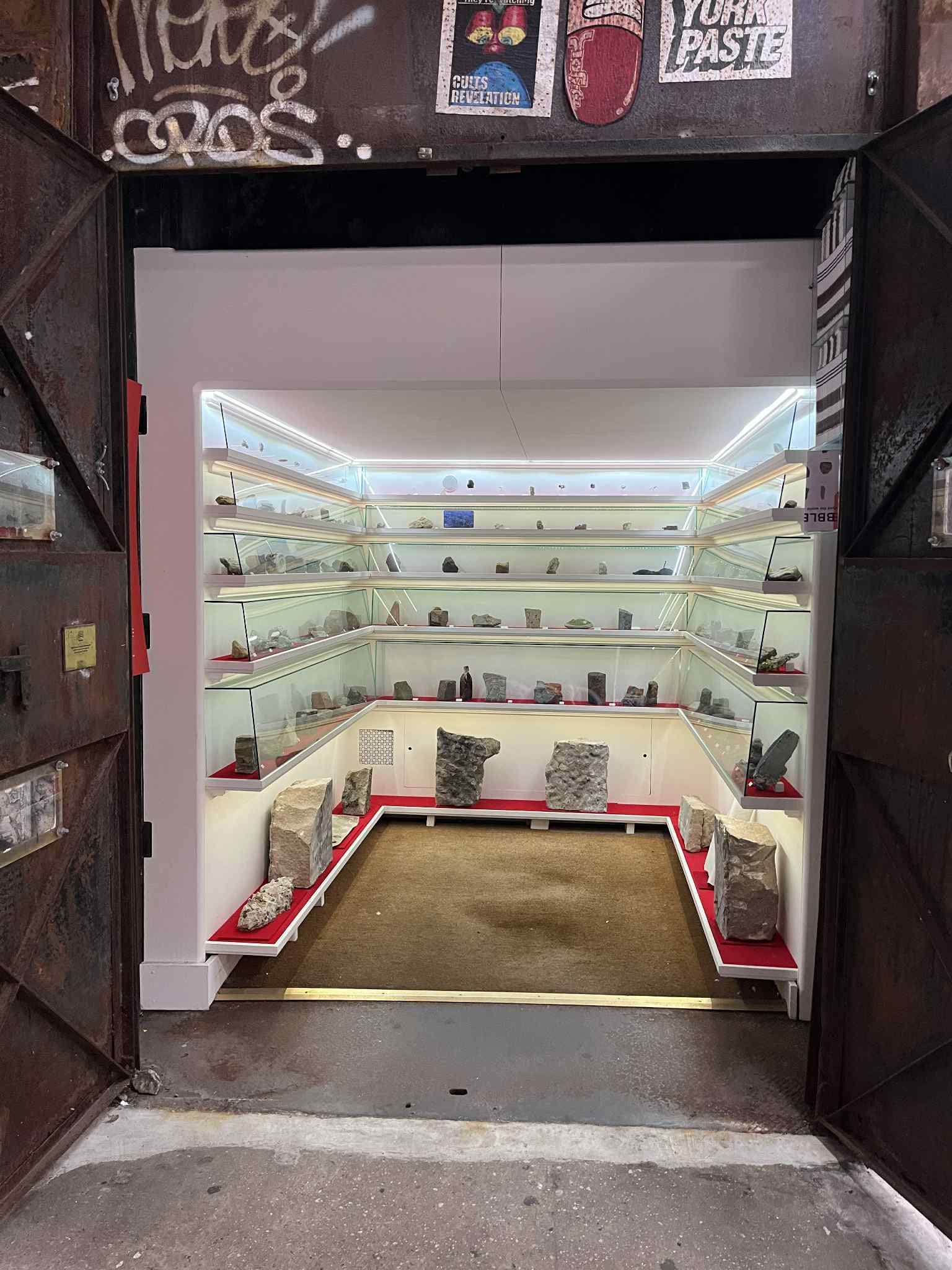
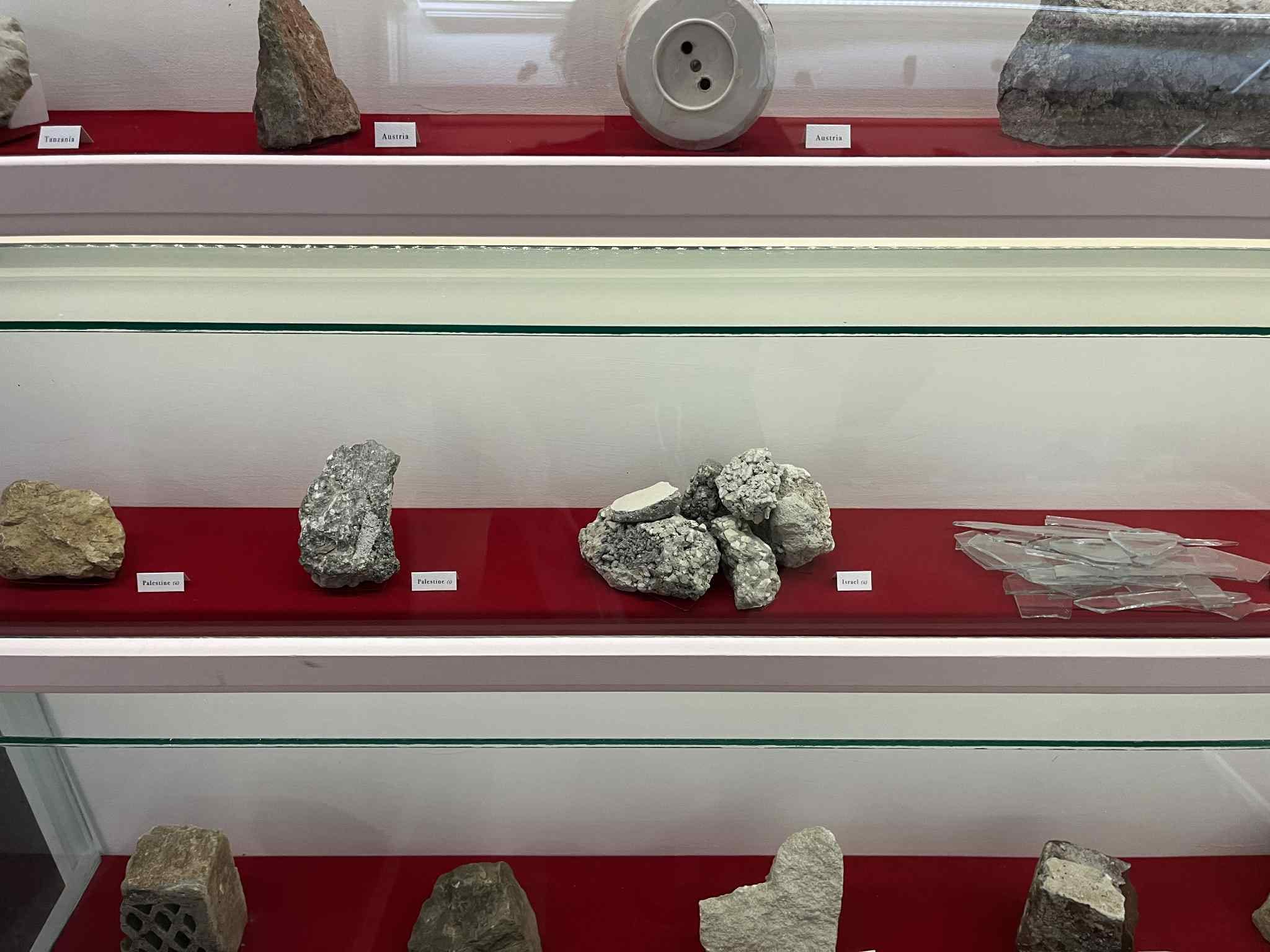
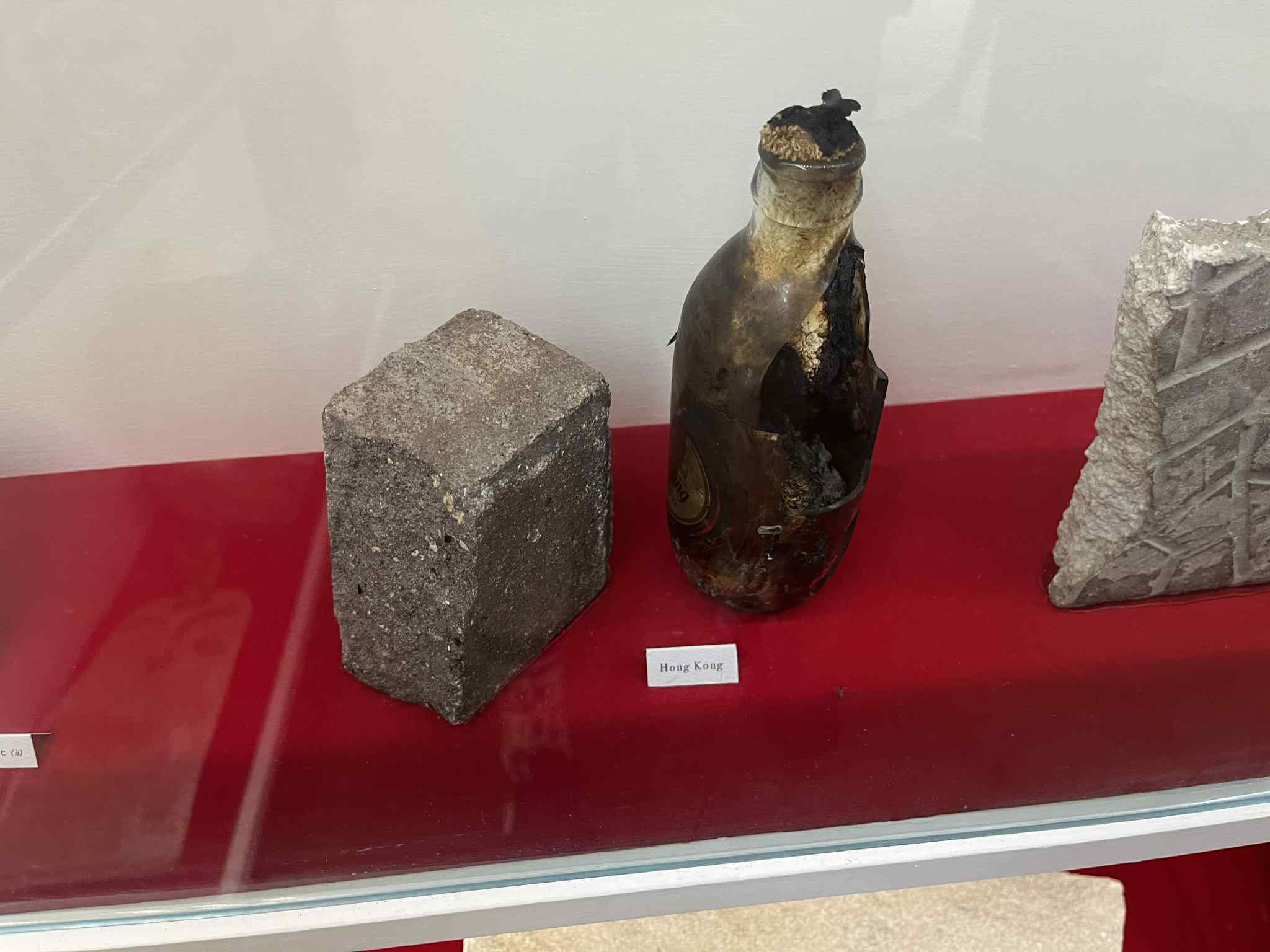
The Mmuseumm officially takes the prize for smallest museum I’ve visited— it’s a renovated storage space in a back alley in Soho, just a little treasure for anyone who happens to be walking by. Their current exhibition is Modern Rubble, and is a collection of pieces of rubble from all over the world, with at least twenty different countries represented. It was legitimately moving— the world keeps getting destroyed and then rebuilt and it’s all made out of the same old rocks anyways. May as well celebrate it! May as well stick it in a teensy tiny museum the size of a walk-in closet!
MoCADA, the Museum of Contemporary African Diasporan Arts
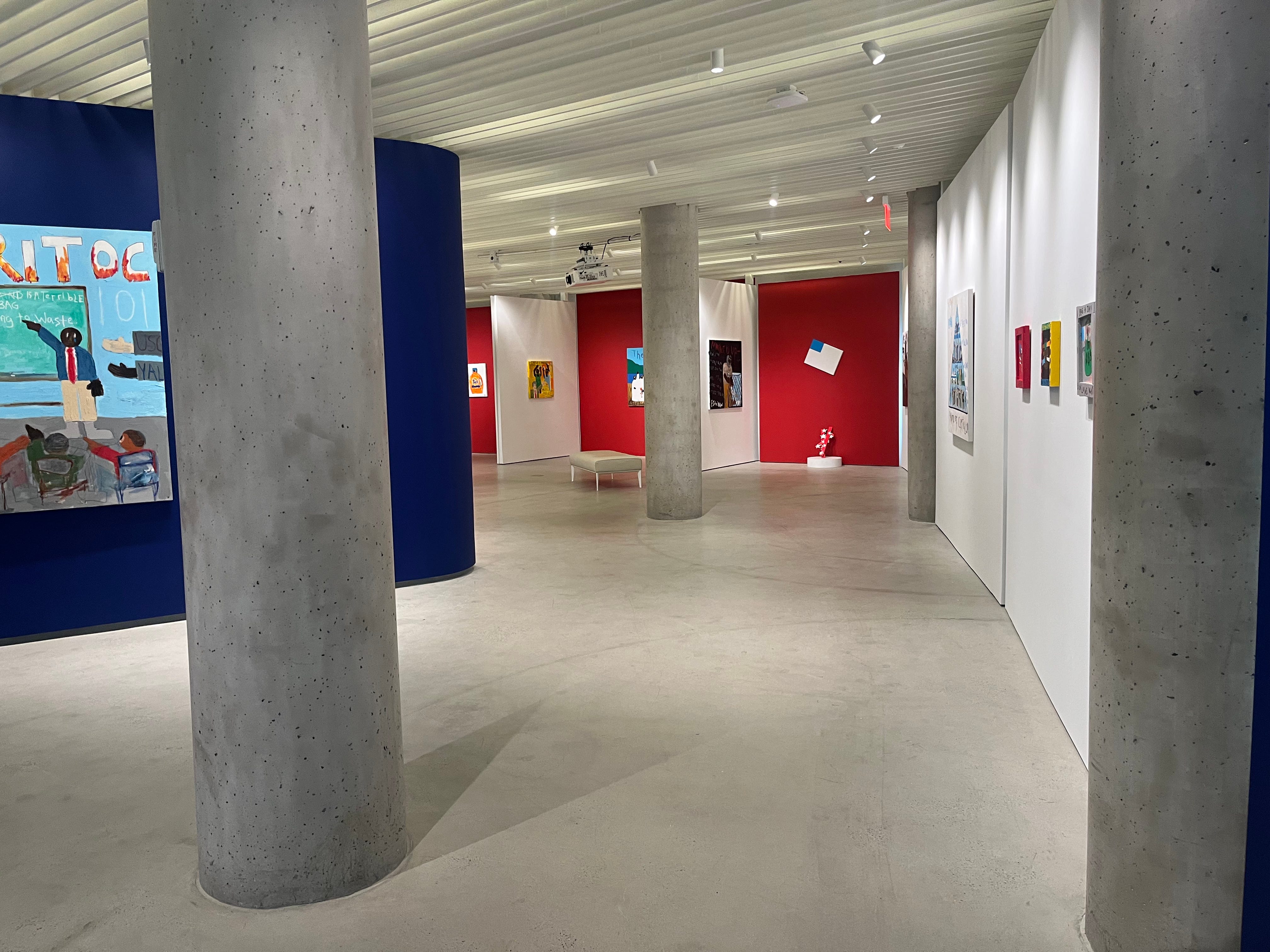
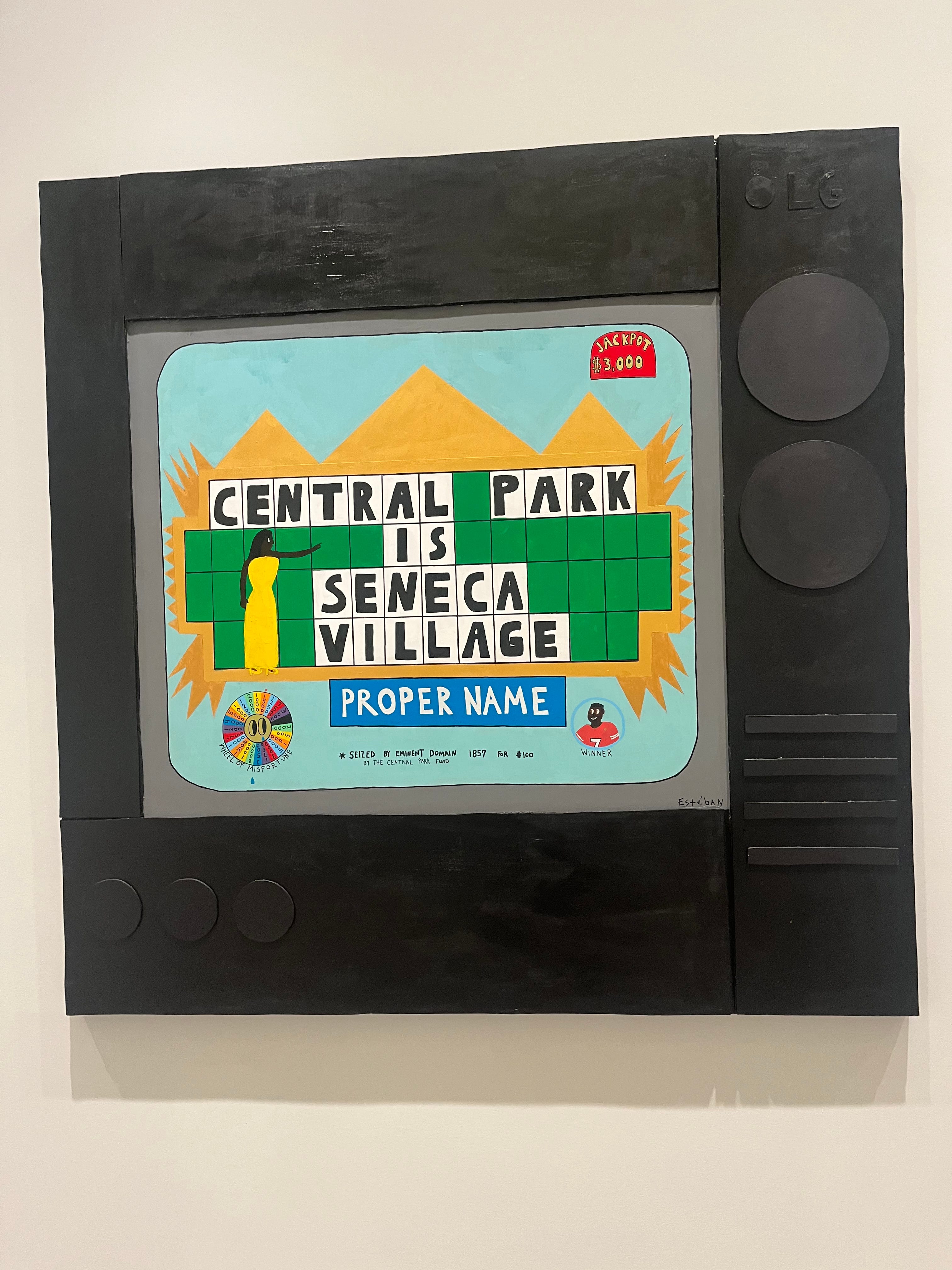
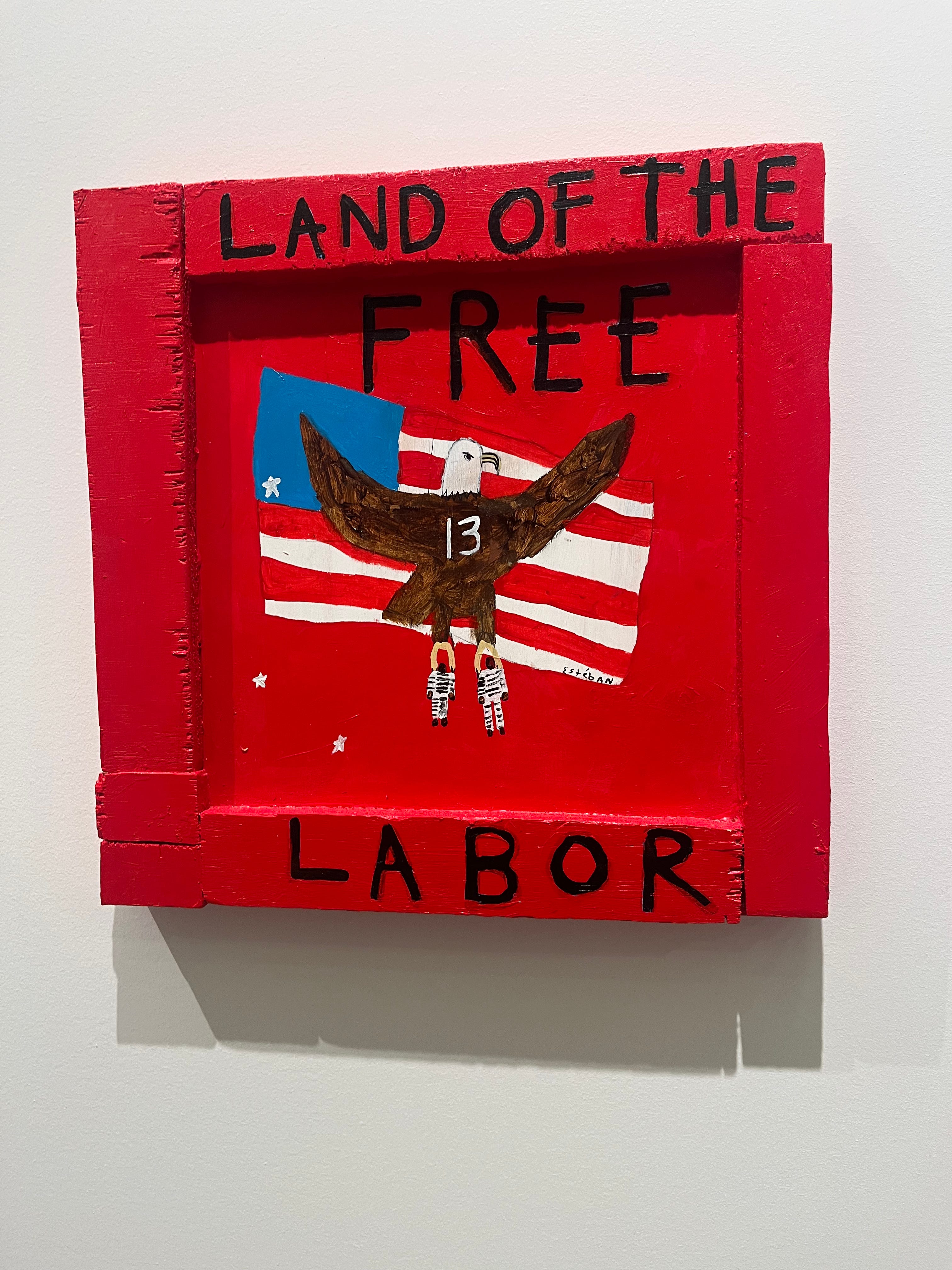
At the time of my visit the MoCADA was displaying the exhibit Esteban Whiteside: Beyond Rage, a collection of Whiteside’s work reflecting on racism in American culture. Whiteside’s style is modern, almost child-like, highlighting the simplicity at the core of his questions. Why do we treat people differently? Who’s making the money that’s saved by paying people of color less? Who decides what gets taught in schools? Is there any way out of this?
MOMA PS1
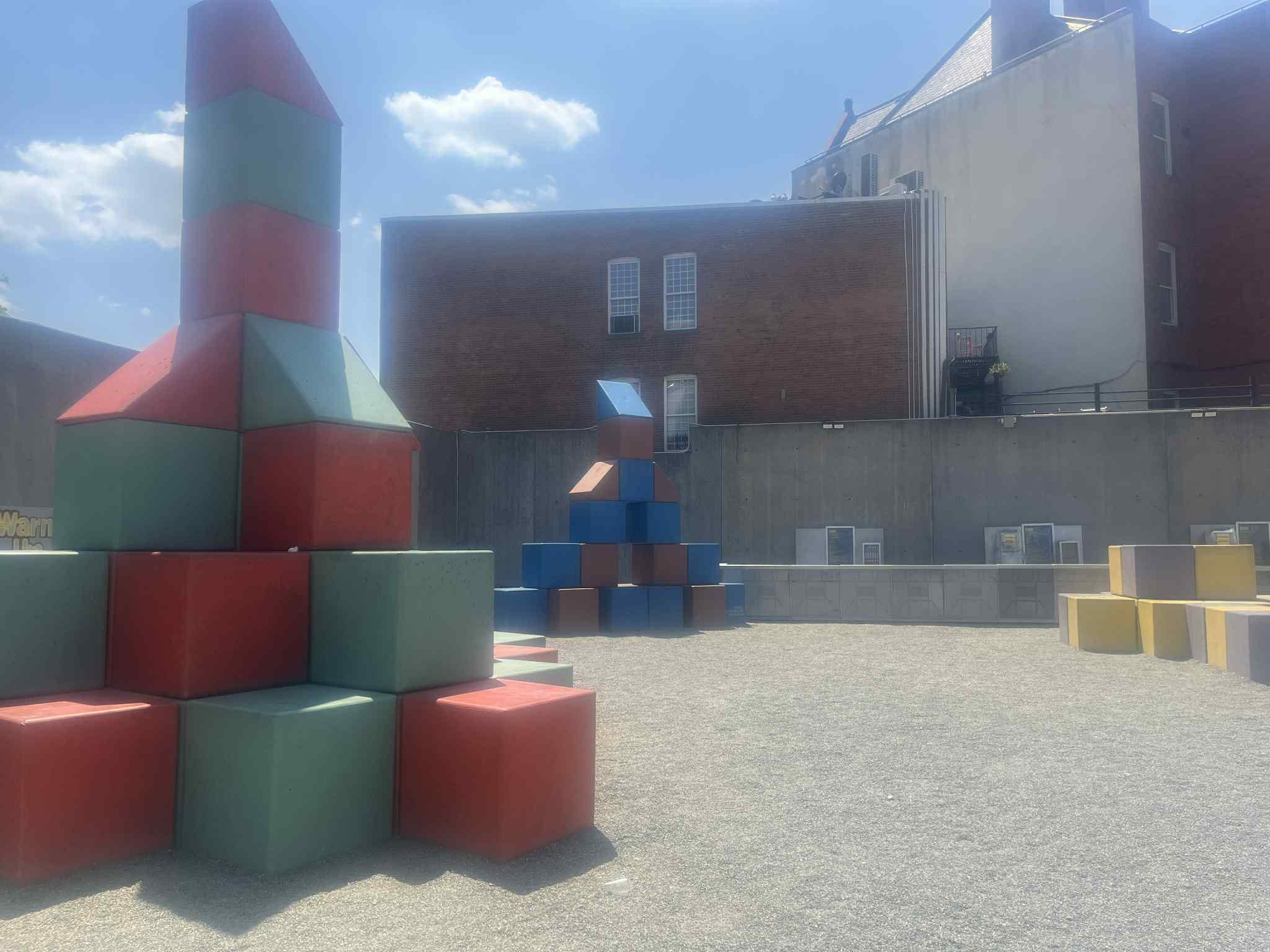
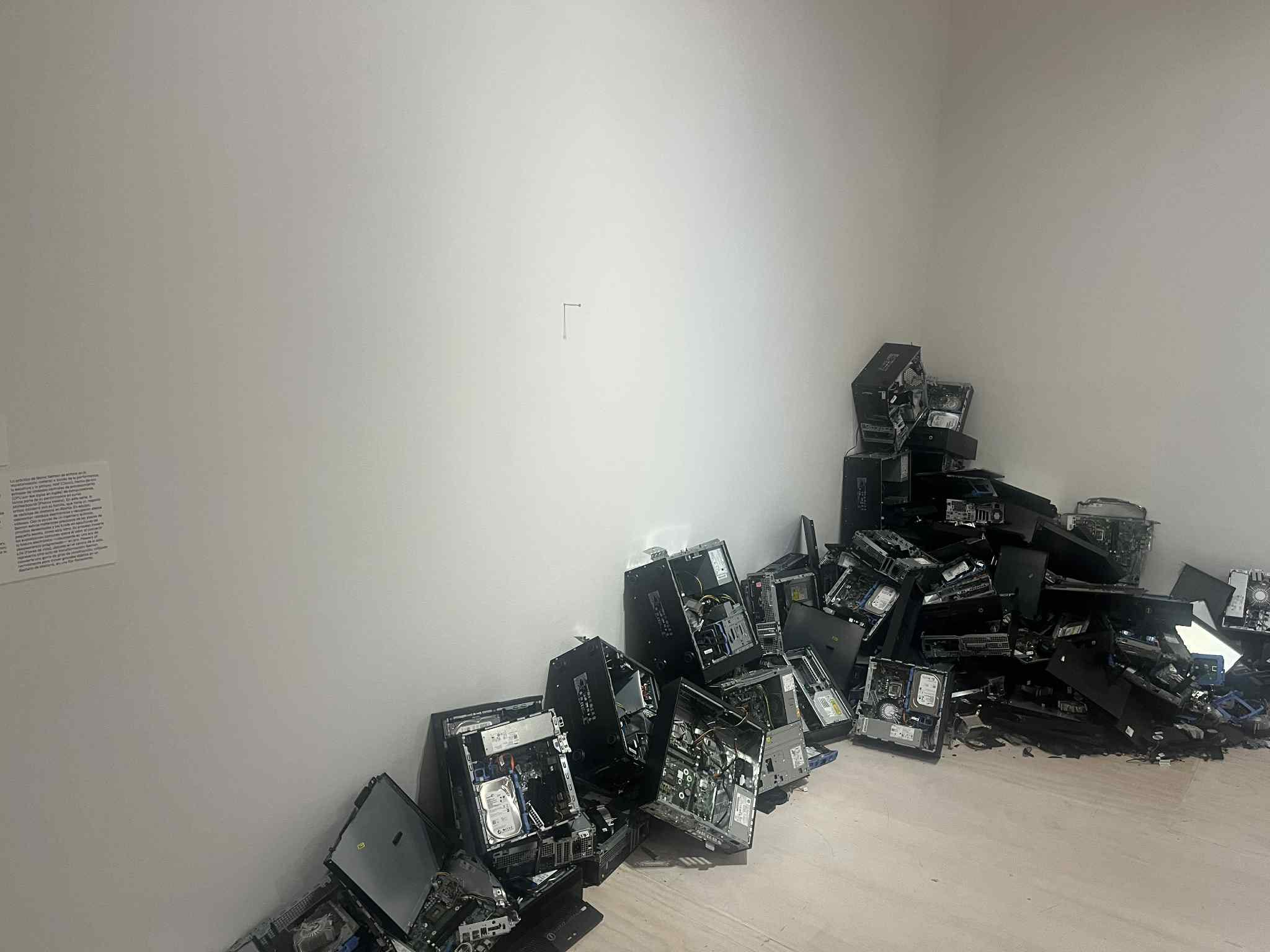
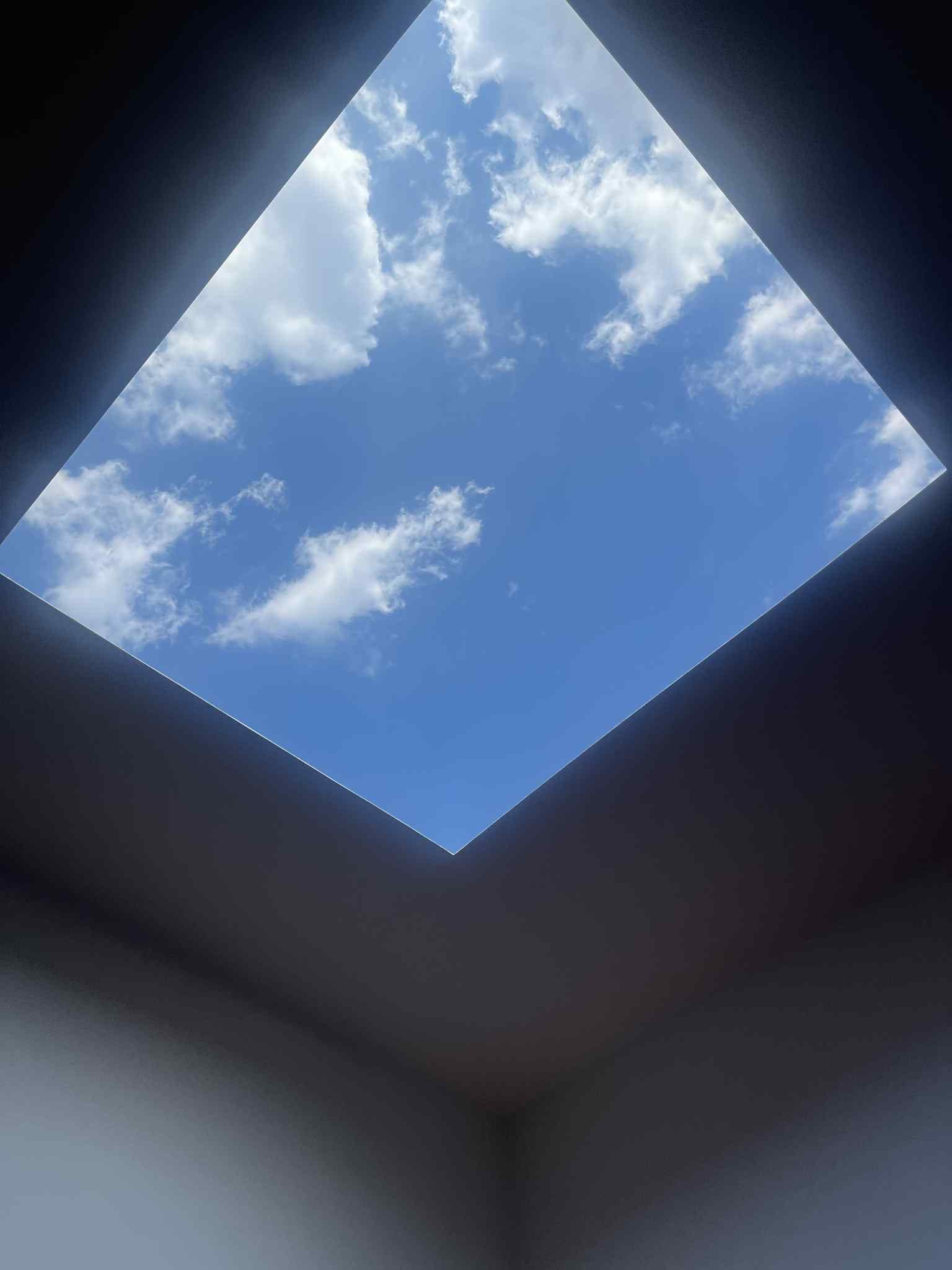
I was legitimately moved by the collection at the MOMA’s annex location in Long Island City. So many pieces were thoughtful and insightful and rewarded closer look, such as Nail, by Selma Selman, the second picture above, which is a collection of electronic waste— monitors and CPUs and TVs and similar— and one gold nail in the wall which is made of the sum total of all the gold that was pulled out of the hardware from this huge pile of tech. There was a collection of art that was made for education on the AIDS crisis and the first safe needle drop-off site in the country, a collection from an indigenous filmmaker named Alanis Obomsawin, and one of James Turell’s Skyspaces(sky window installations), this one titled Meeting. I left the MOMA PS1 with more wonder for the world than I had come in with.
The Morgan Library and Museum
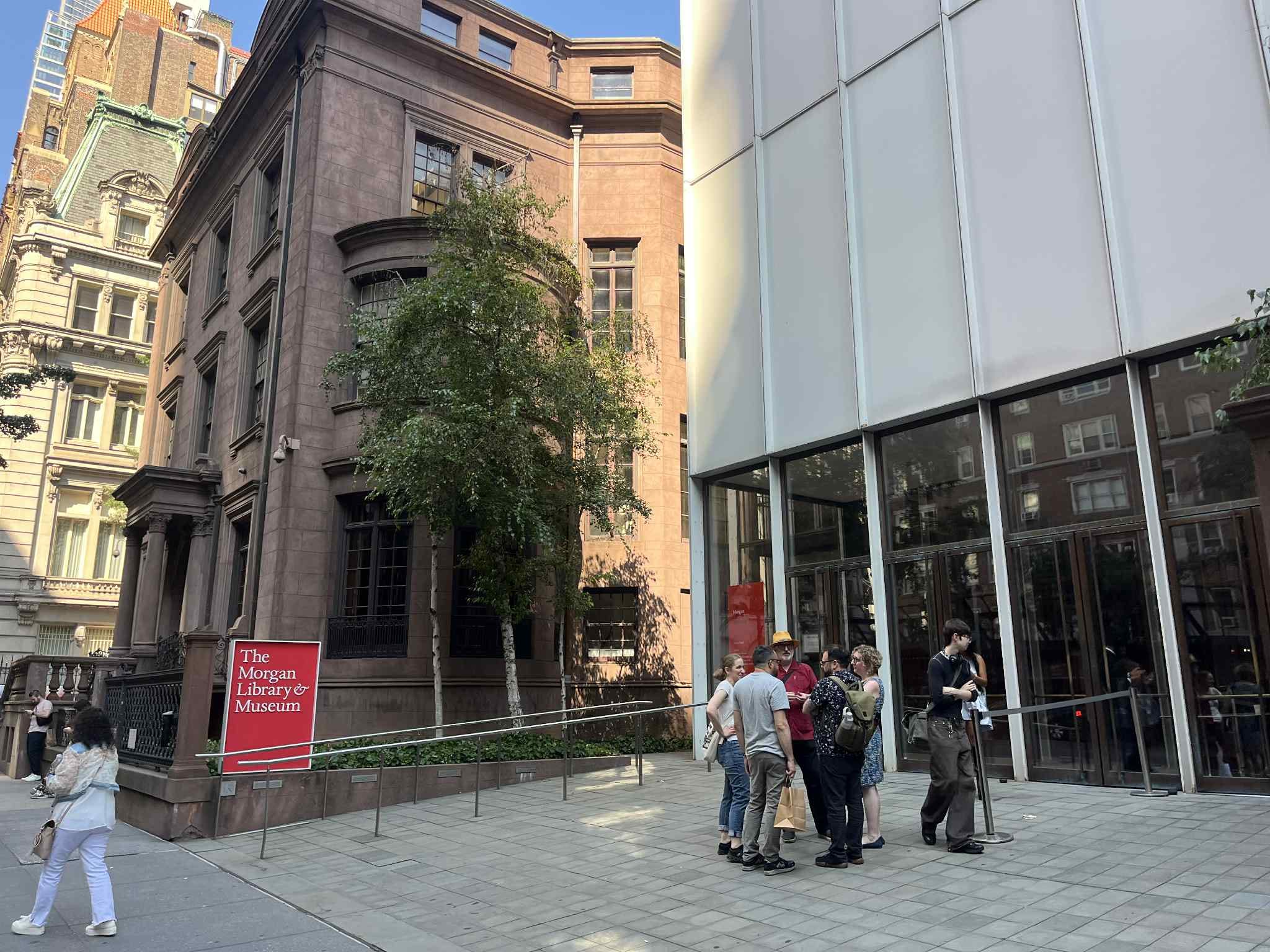
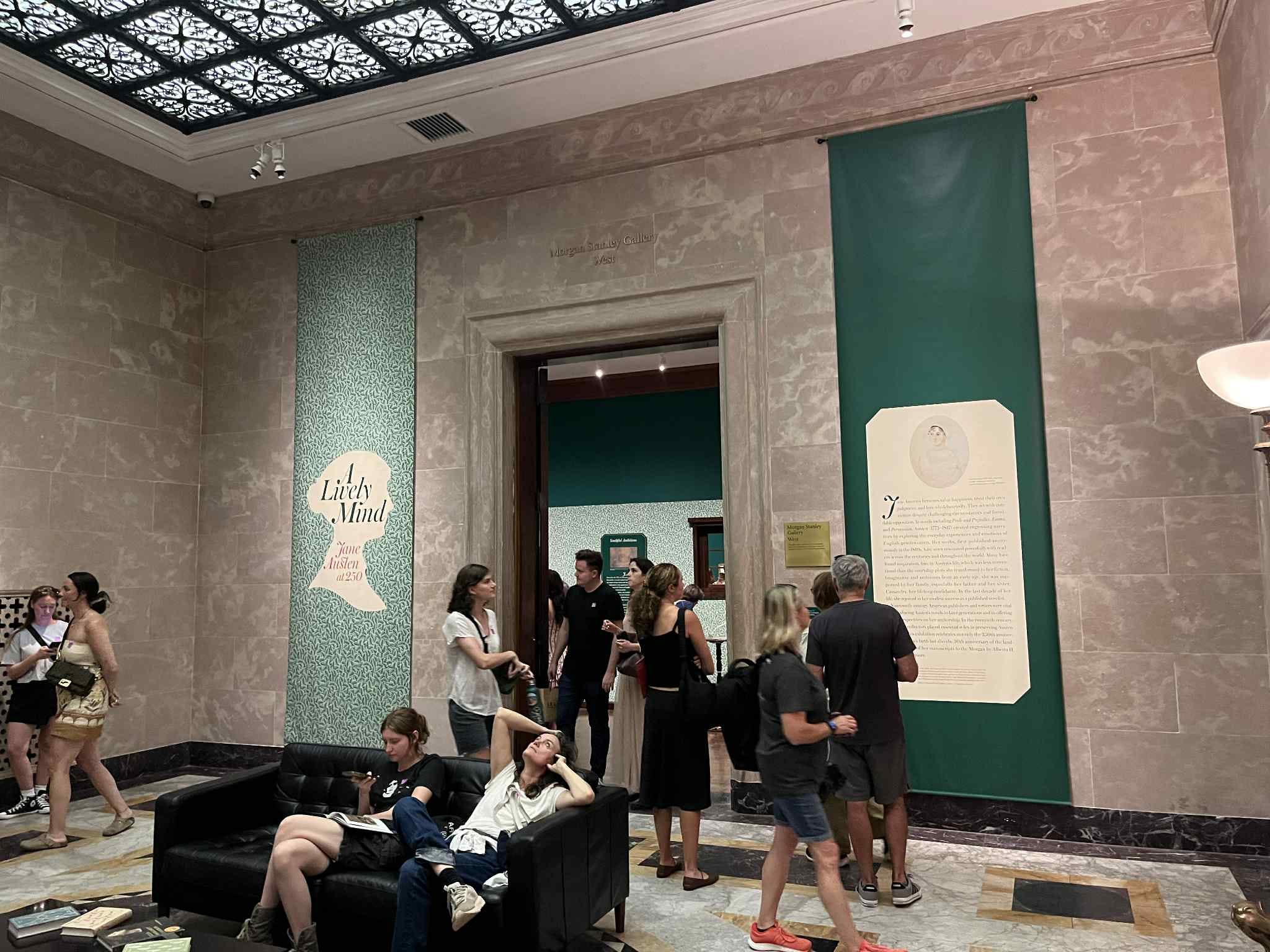
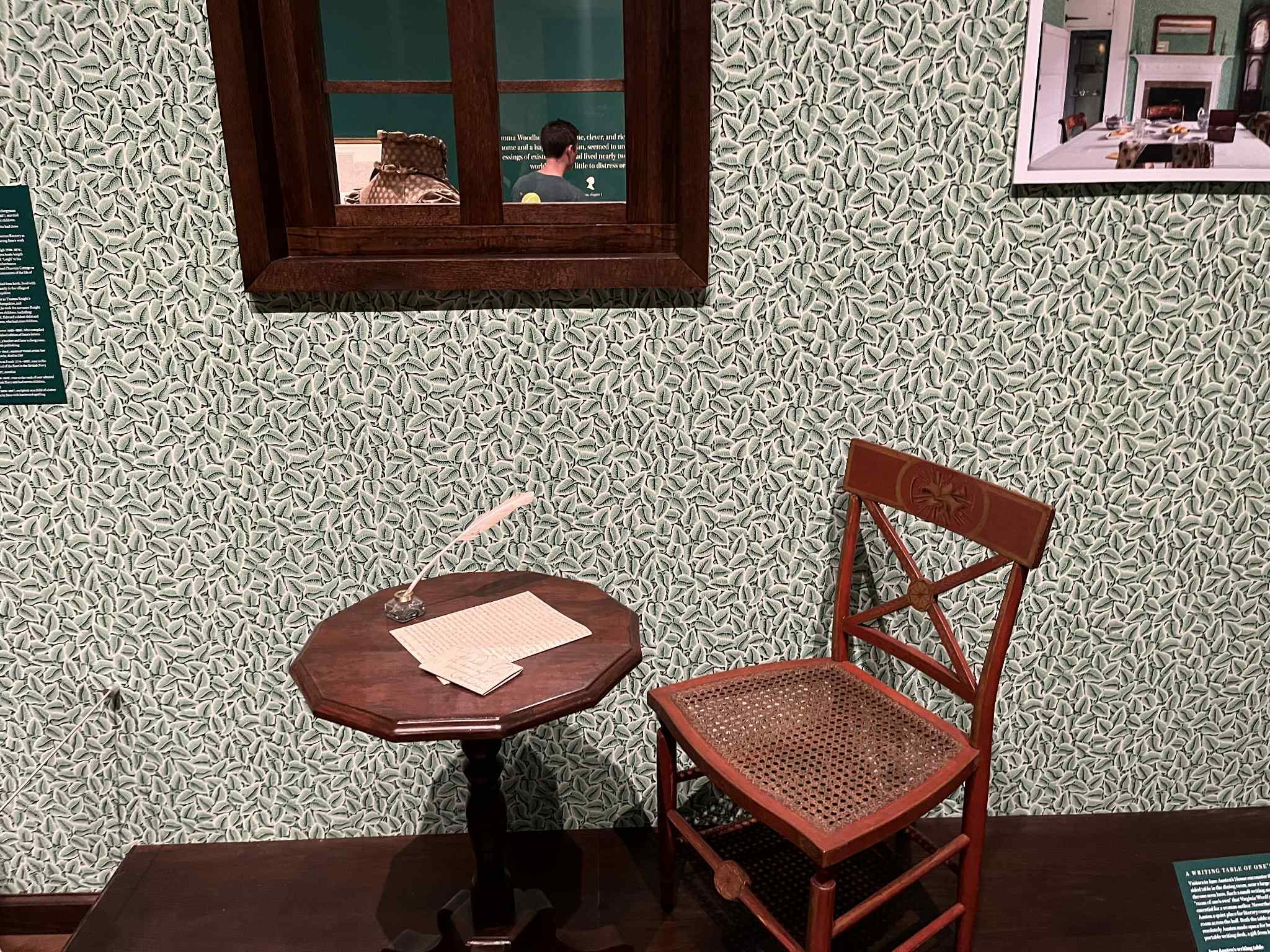
I had timed my visit to the Morgan Library and Museum badly and only had about a half hour before the museum closed(don’t worry, I’ve visited it more fully on other occasions, just not ones that I’ve documented). I was glad that in the time I spent there I go to see their exhibit on Jane Austen— A Lively Mind: Jane Austen at 250. It was a celebration of her works and also displayed a lot of what we know about the context under which she wrote— see her small writing-desk, above! Looking great for 250, Jane!
The Mets Hall of Fame and Museum
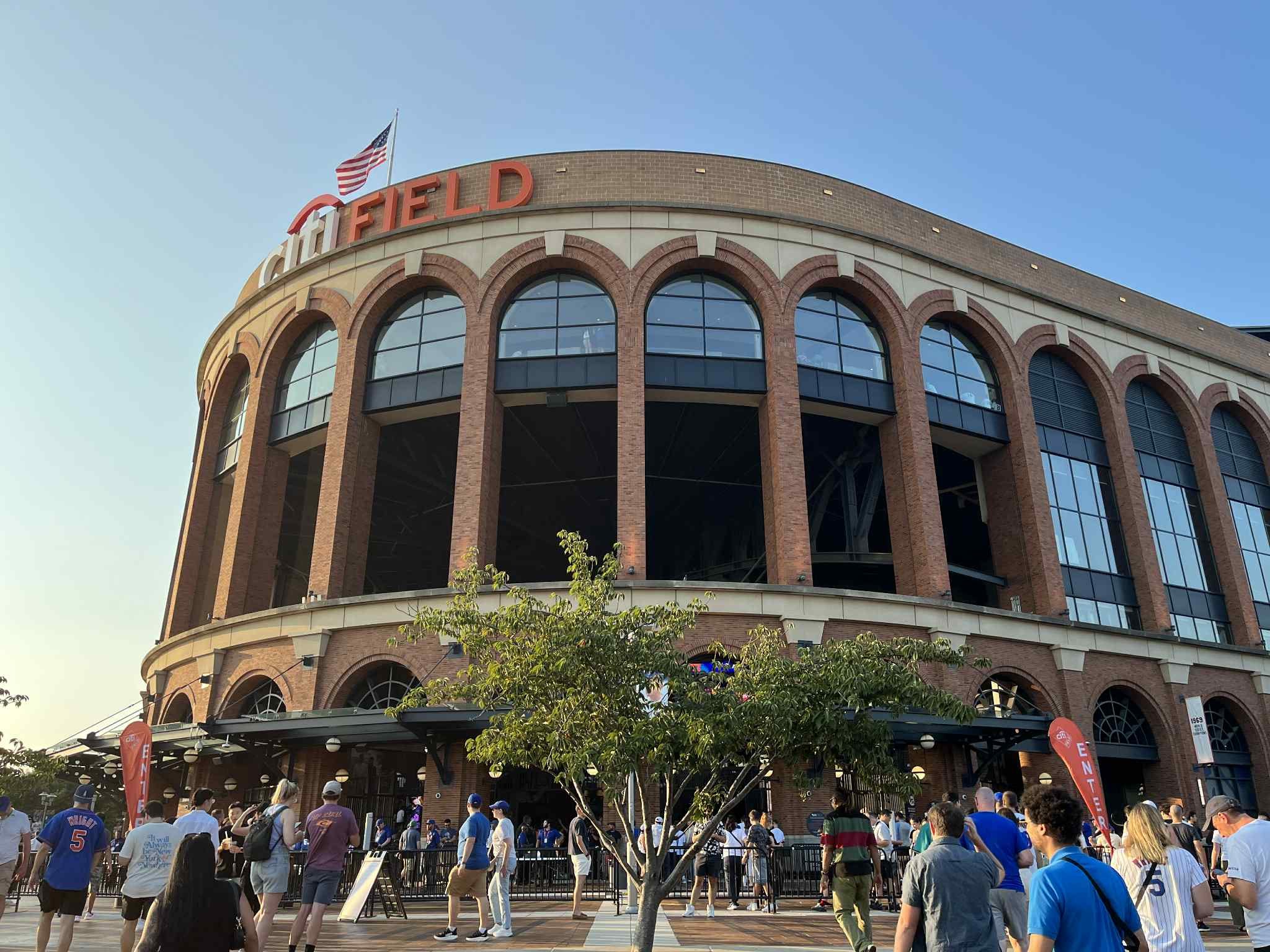
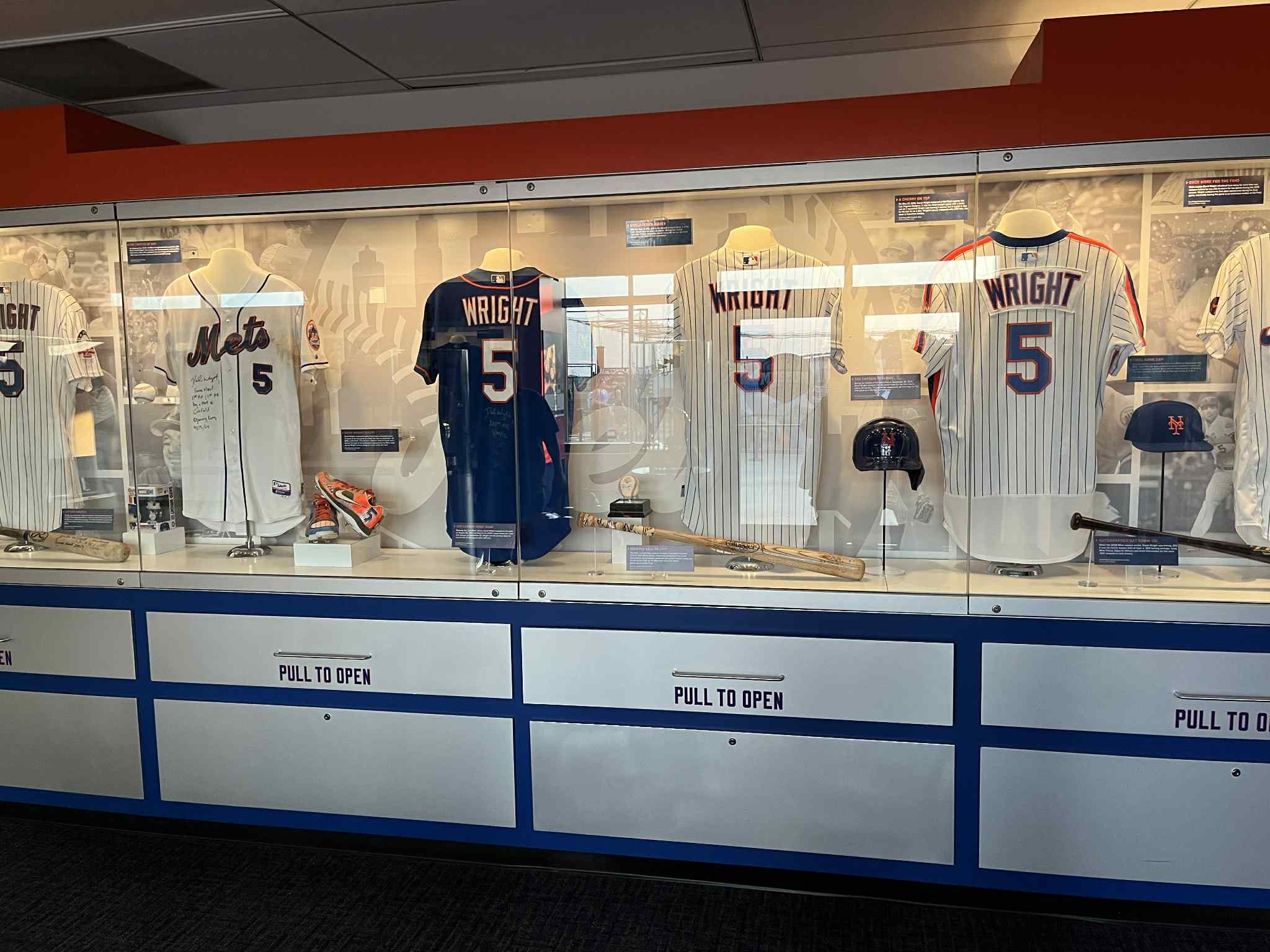
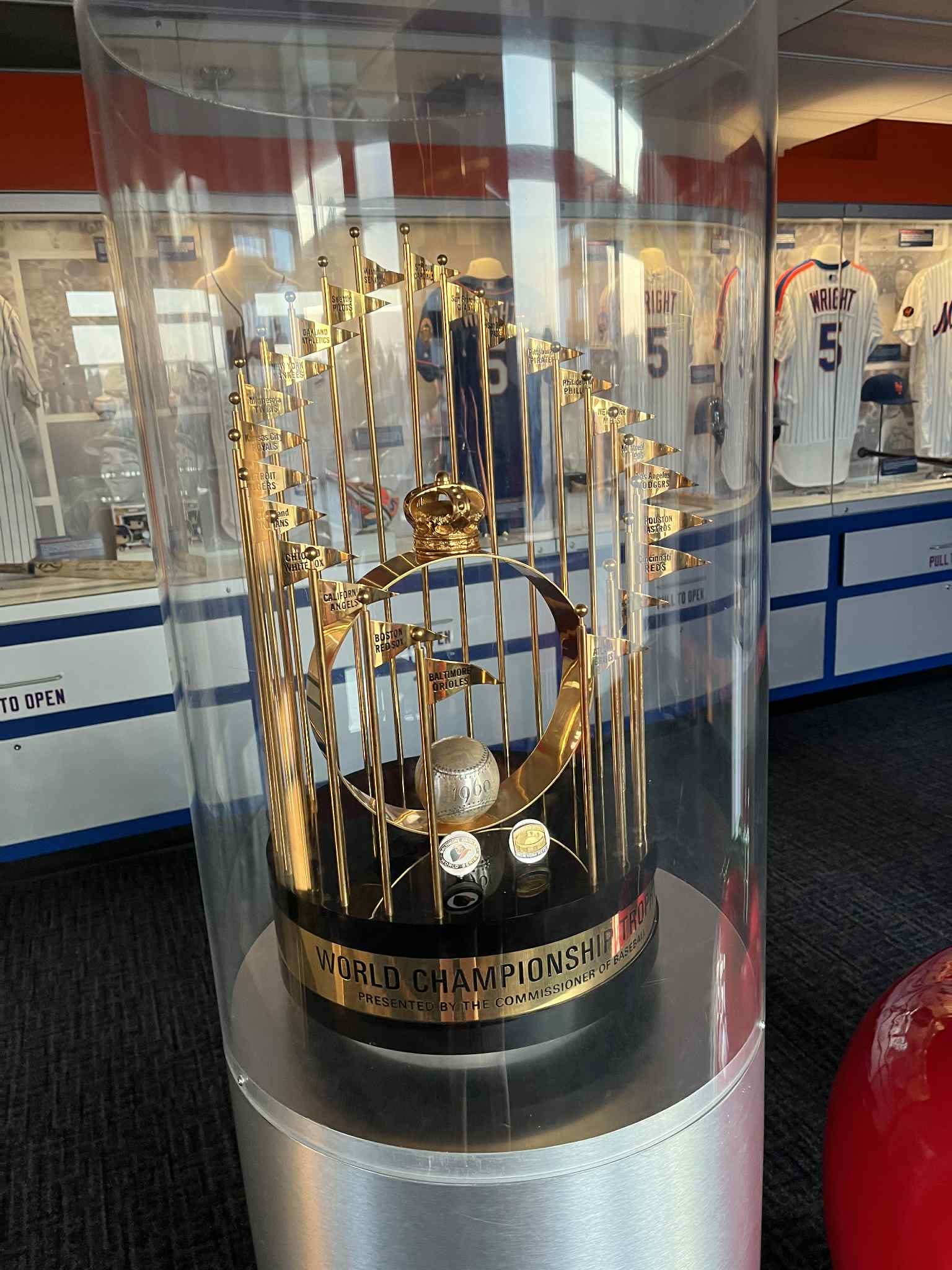
I’ve read online some complaints that the Mets Hall of Fame and Museum recently got moved to a smaller space further from the crowds, in order to sell more merch in what was formerly the museum space. I’m sorry to report that that’s accurate, this museum was quite small and sparse. I also don’t know if it’s primarily dedicated to third baseman David Wright year-round or they rotate through players, but I certainly did get to see David Wright’s stinky cleats. Even though the museum itself was a little underwhelming it was a really beautiful night and I had a great time sitting in the nosebleeds with my friends watching the Mets get, once again, absolutely destroyed.
The Morris-Jumel Mansion
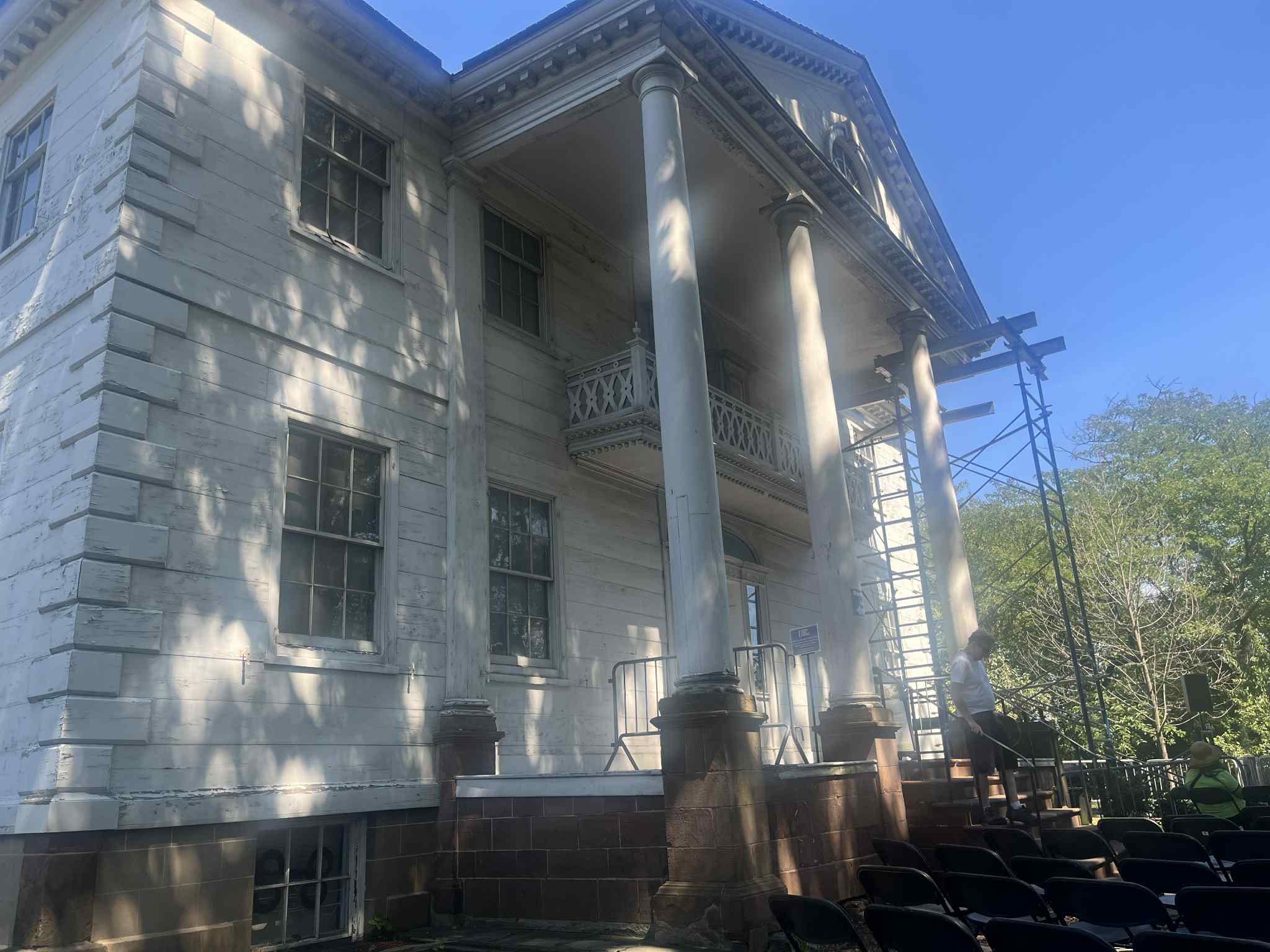
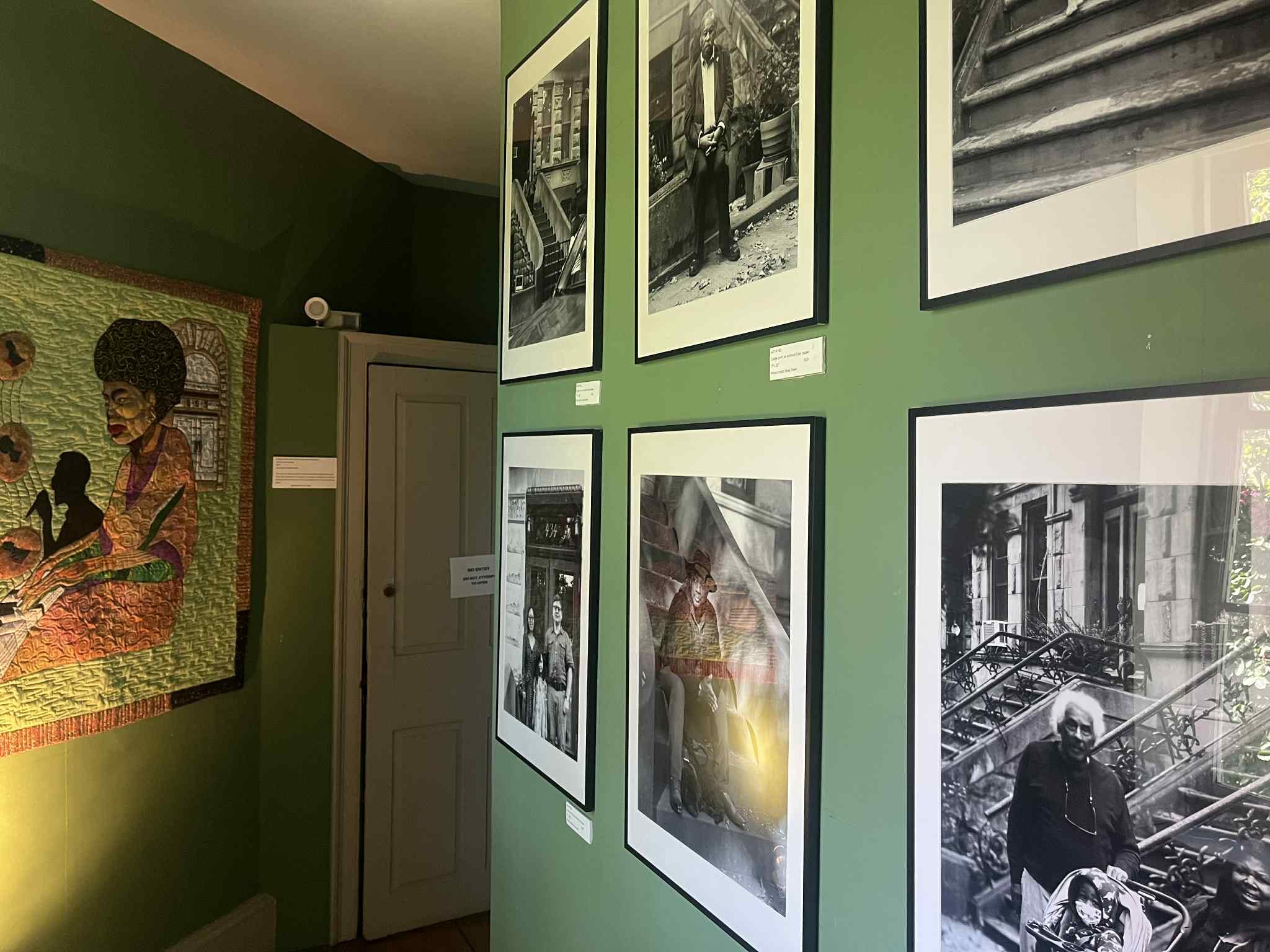
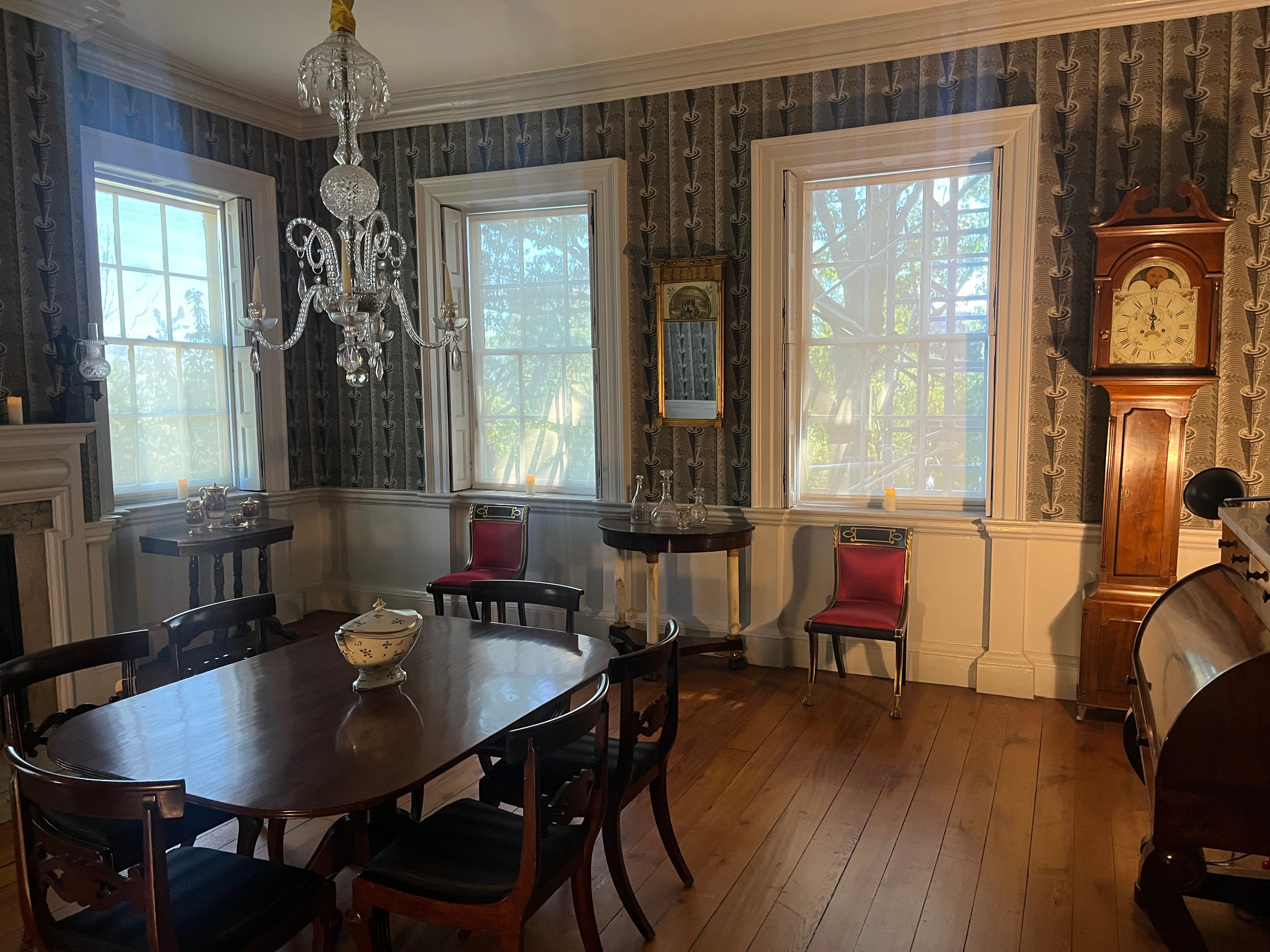
This is another example of a historic house that I think is doing an excellent job of preserving its roots while working to strengthen the community around it. While I was visiting they had paired with photographers and artists from Washington Heights to display their work about the neighborhood’s rich history and on the day I visited they had a live jazz band out playing on the lawn. The house itself is gorgeous and its history is fascinating— former vice president Aaron Burr lived there during his brief and likely terrible marriage to Mary Bowen, who was one of the last significant inhabitants of the house.
The Museum at Eldridge Street
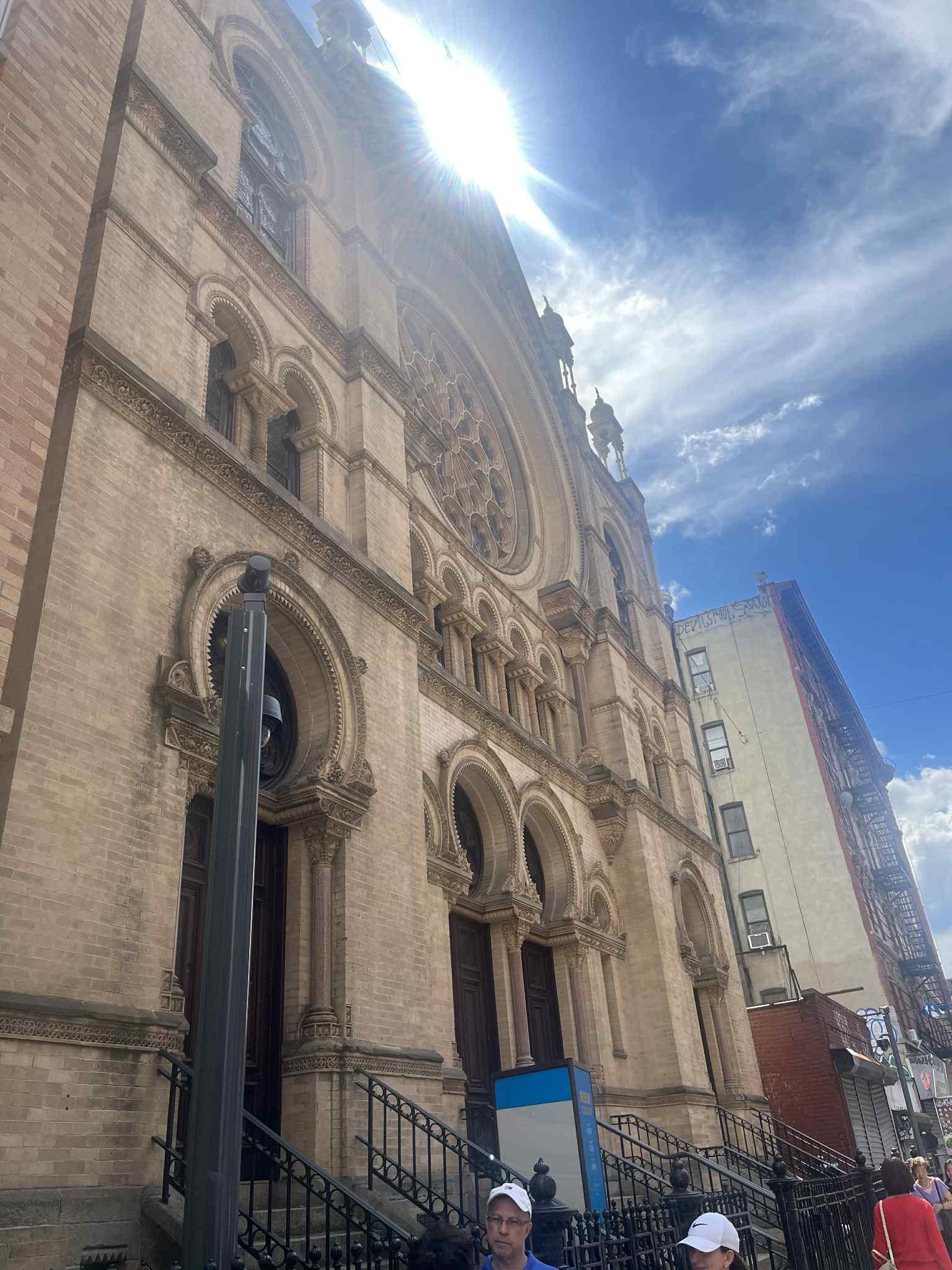
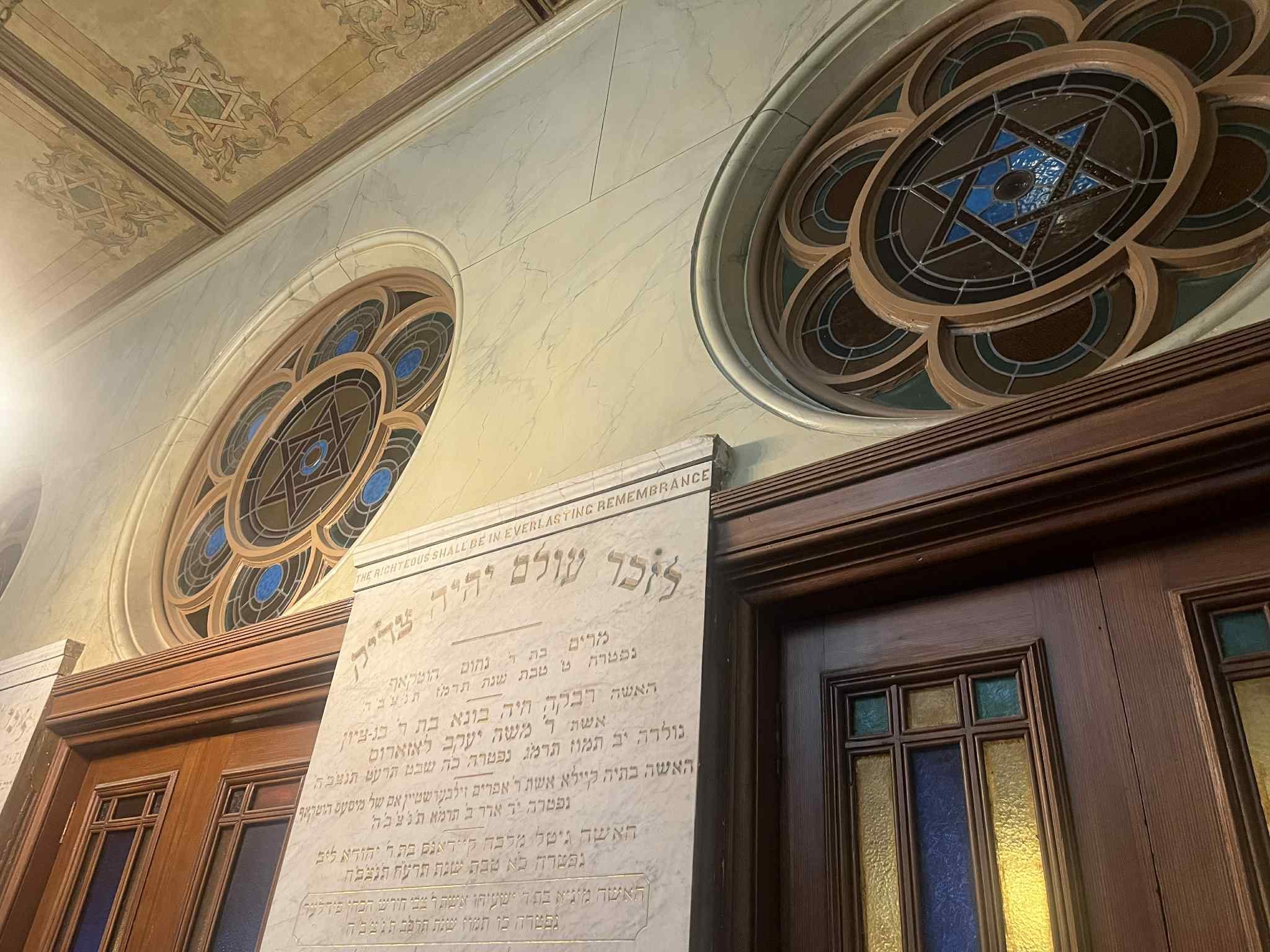
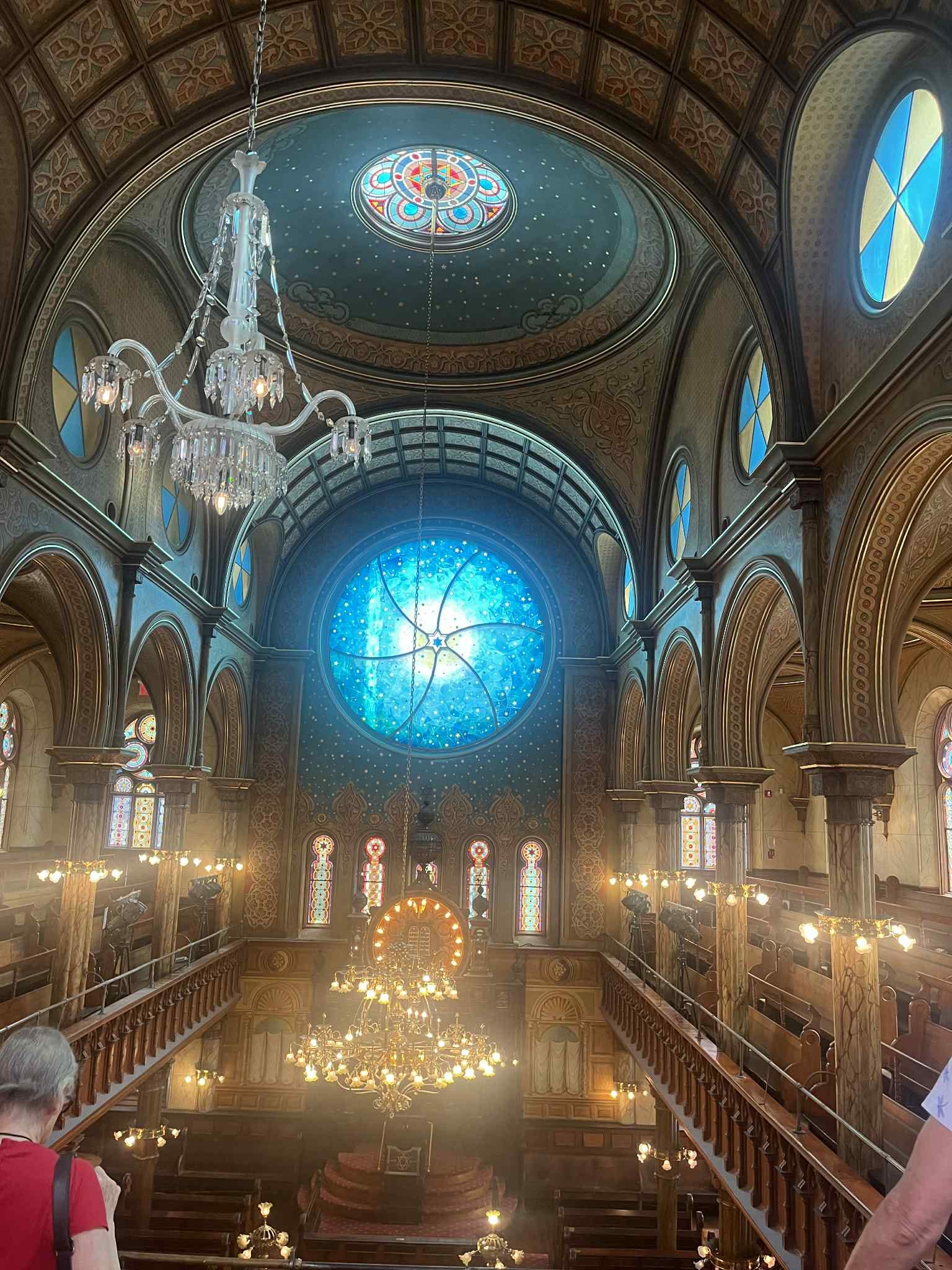
The Museum at Eldridge Street is a gorgeous historic synagogue which was built and funded by a large collection of Jewish families who had immigrated to the Lower East side in the late 19th and early 20th century. It fell into disuse as the century wore on and more families moved to Brooklyn or the Bronx or out of the city, but in the 1980s preservationist Roberta Brandes Grantz led the movement to have the space completely renovated and made a historic landmark. Its crown jewel is the enormous stained glass window which was newly designed and installed in the early 2000s— it depicts a sea of stars surrounding the star of David at its heart.
The Museum of Art and Design
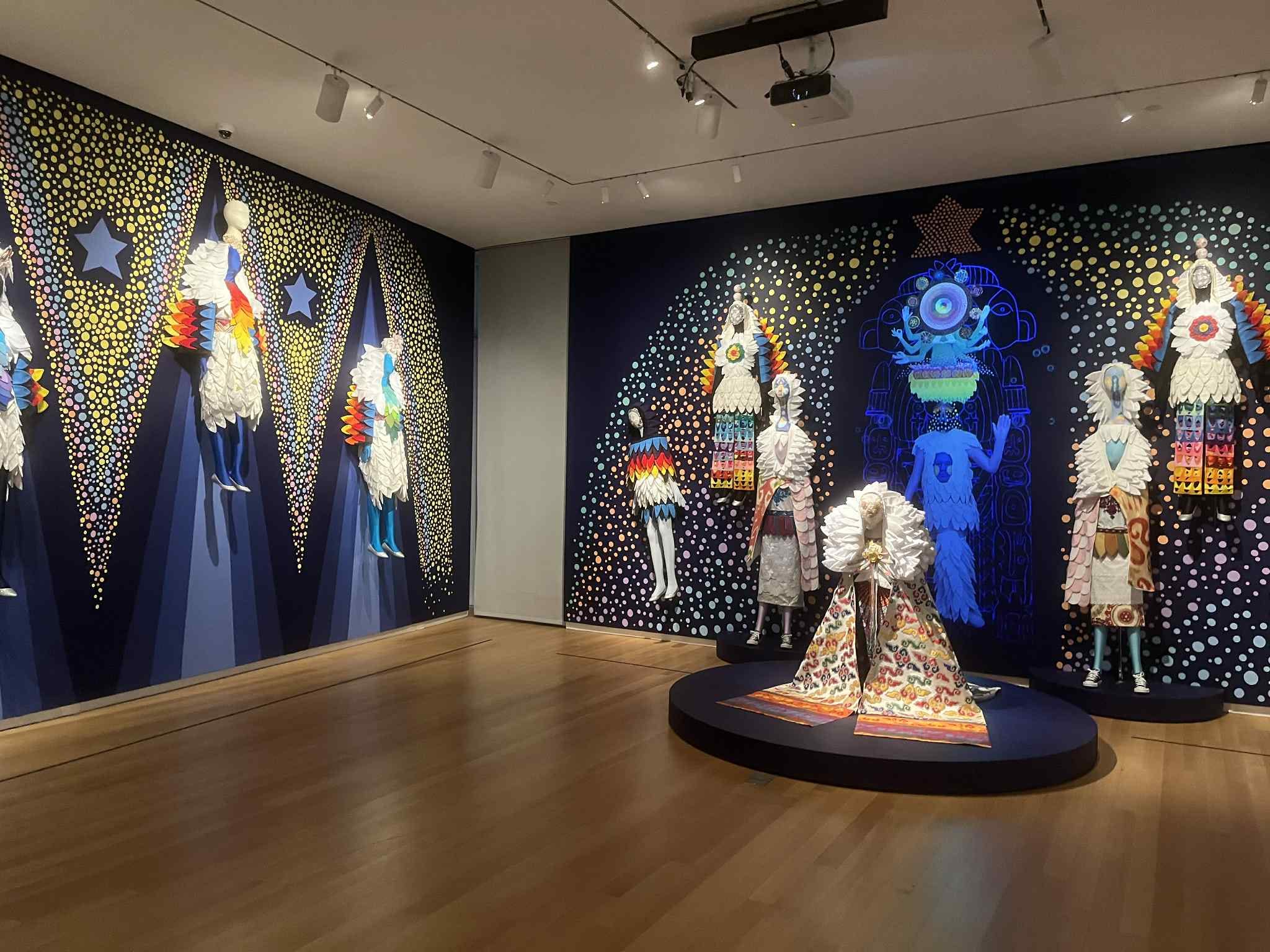
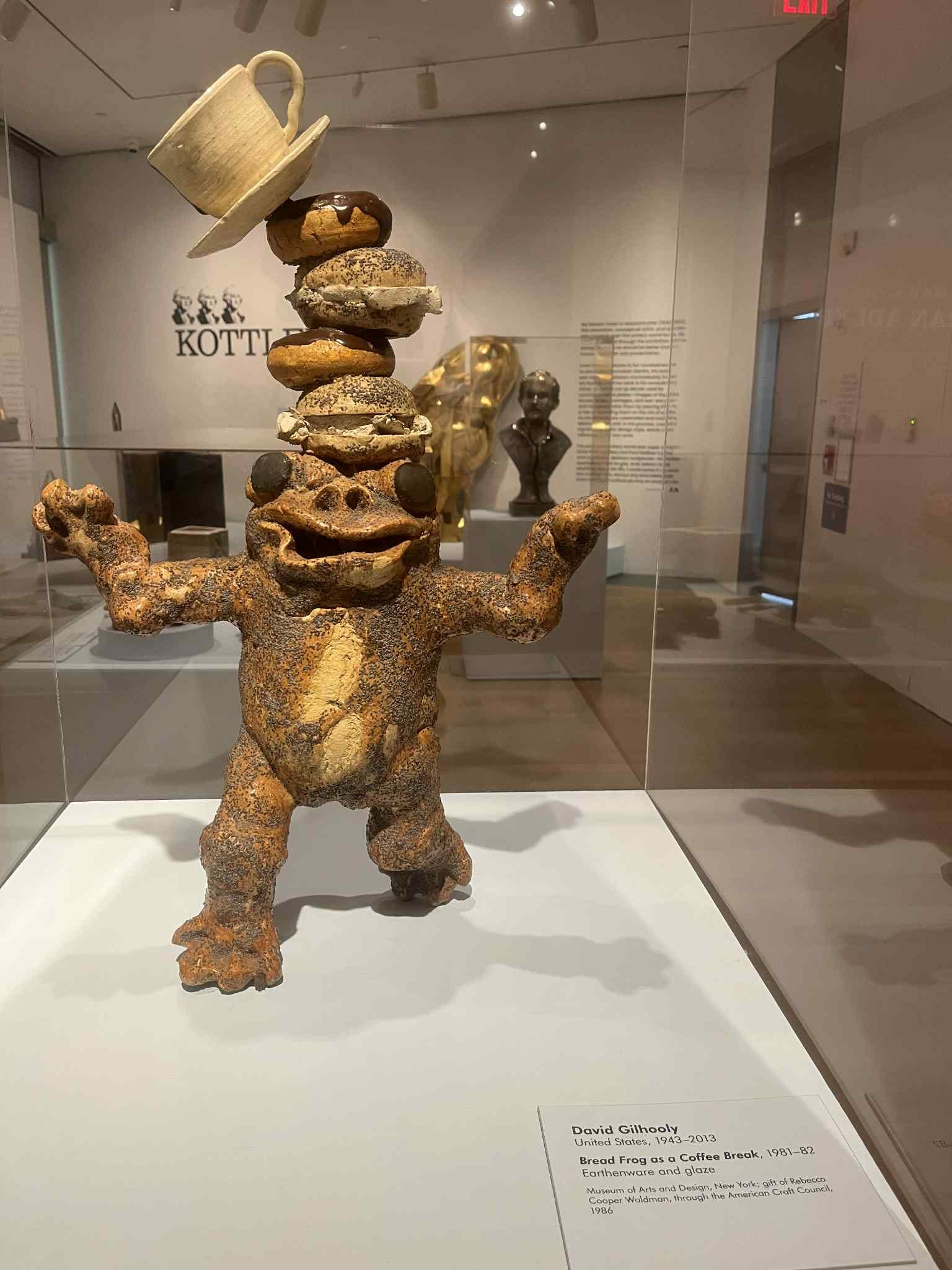
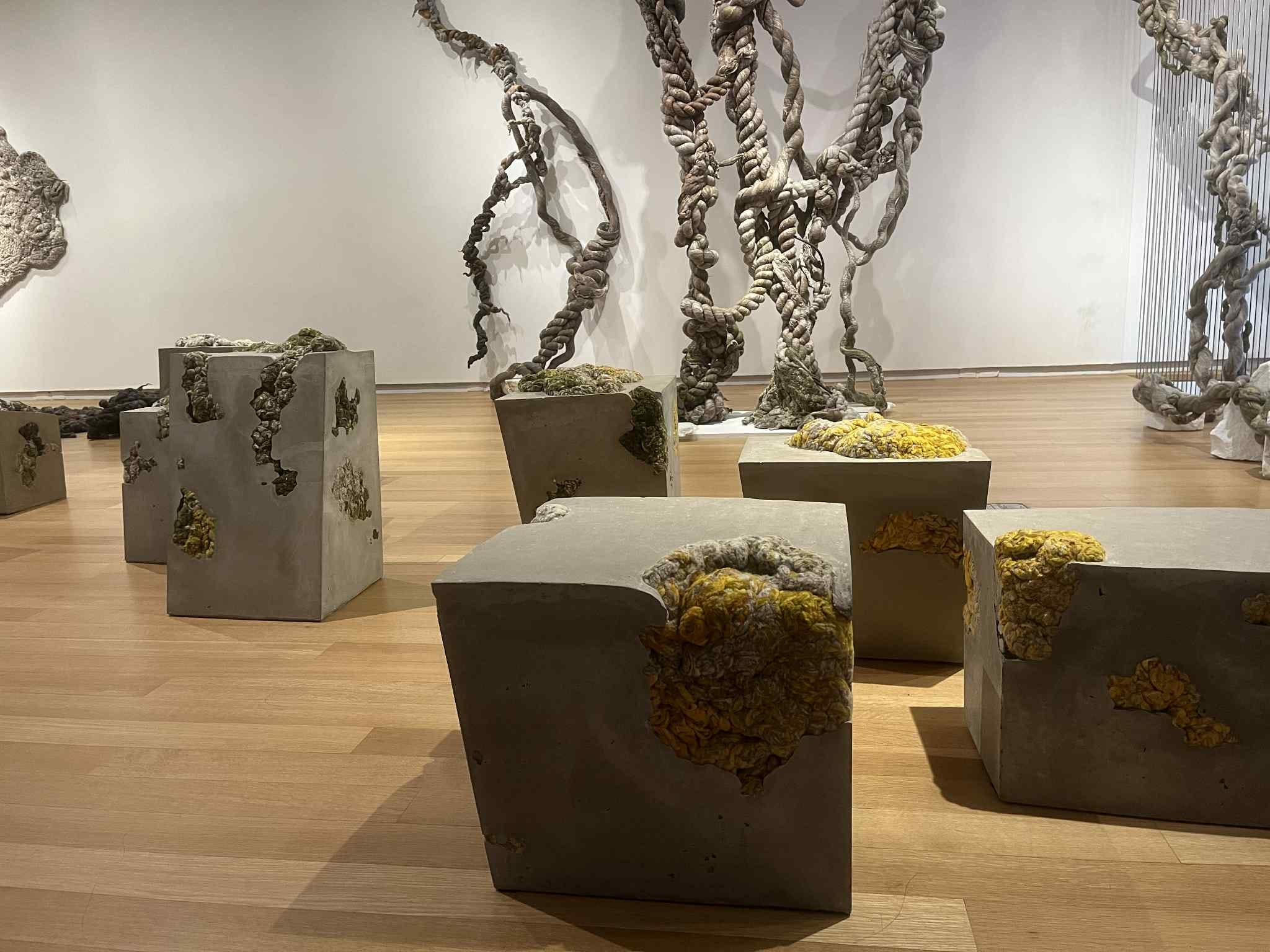
I saw some wonderful exhibits at the Museum of Art and Design— At the top we have costumes and figurines from Saya Woolfalk’s Empathetic Universe, at center we have Bread Frog on a Coffee Break by David Gilhooly, and the third picture is from Untamed Gestures by Dana Barnes. Honestly it was all deeply inspirational— so much work from people who see things in the world to love and examine and bring to the light in ways that are totally new to me.
Lilac Preservation Project
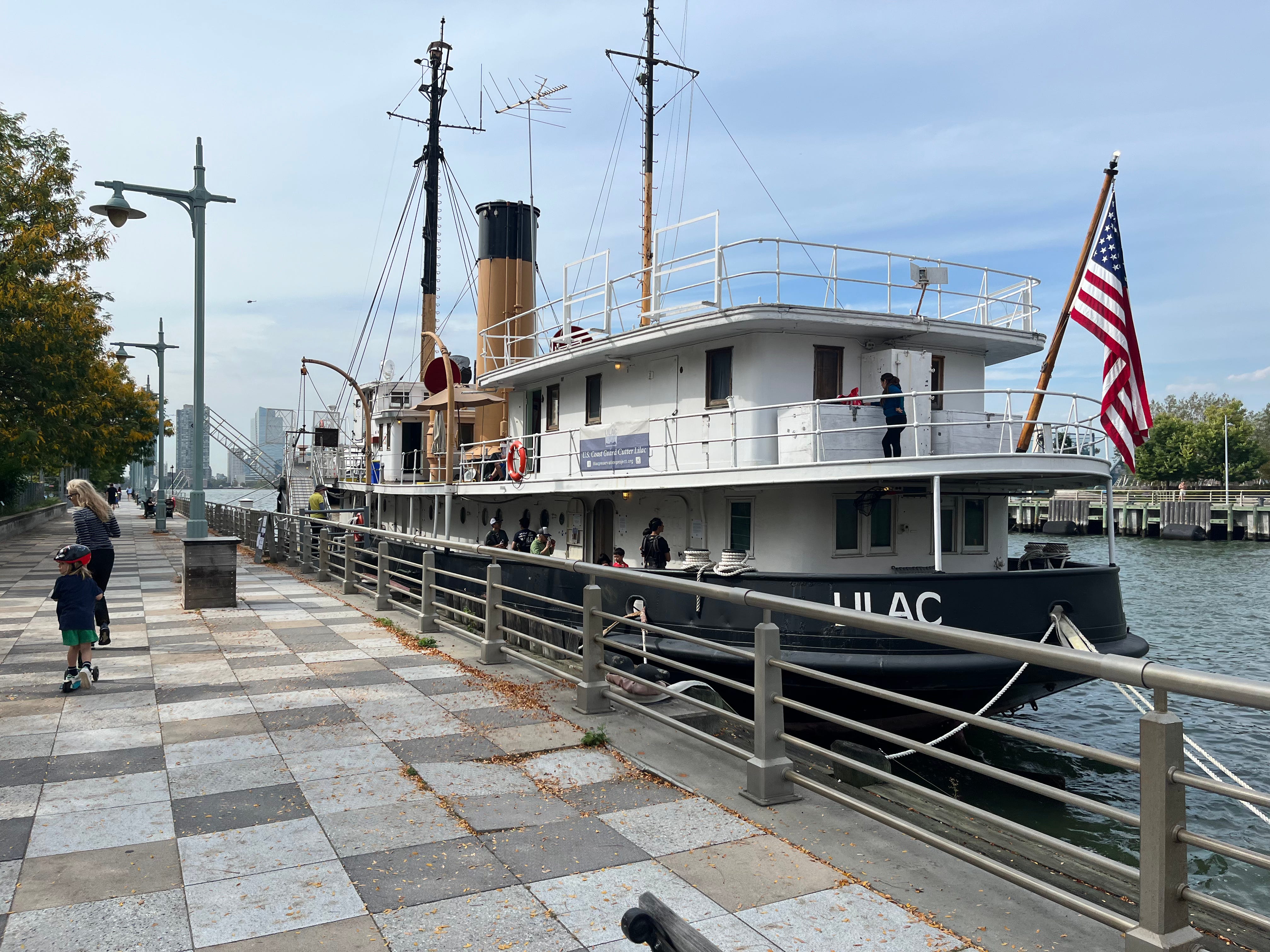
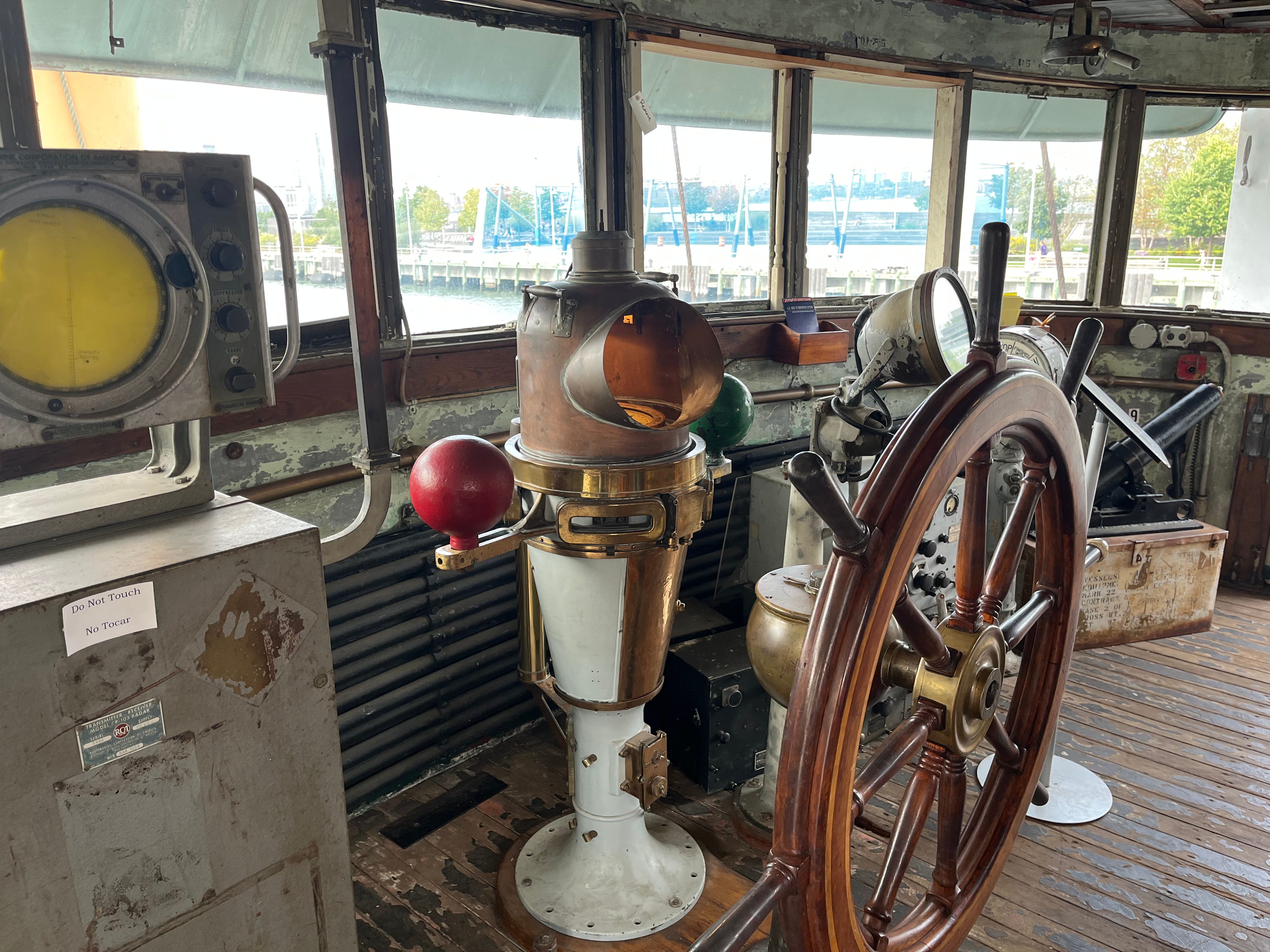
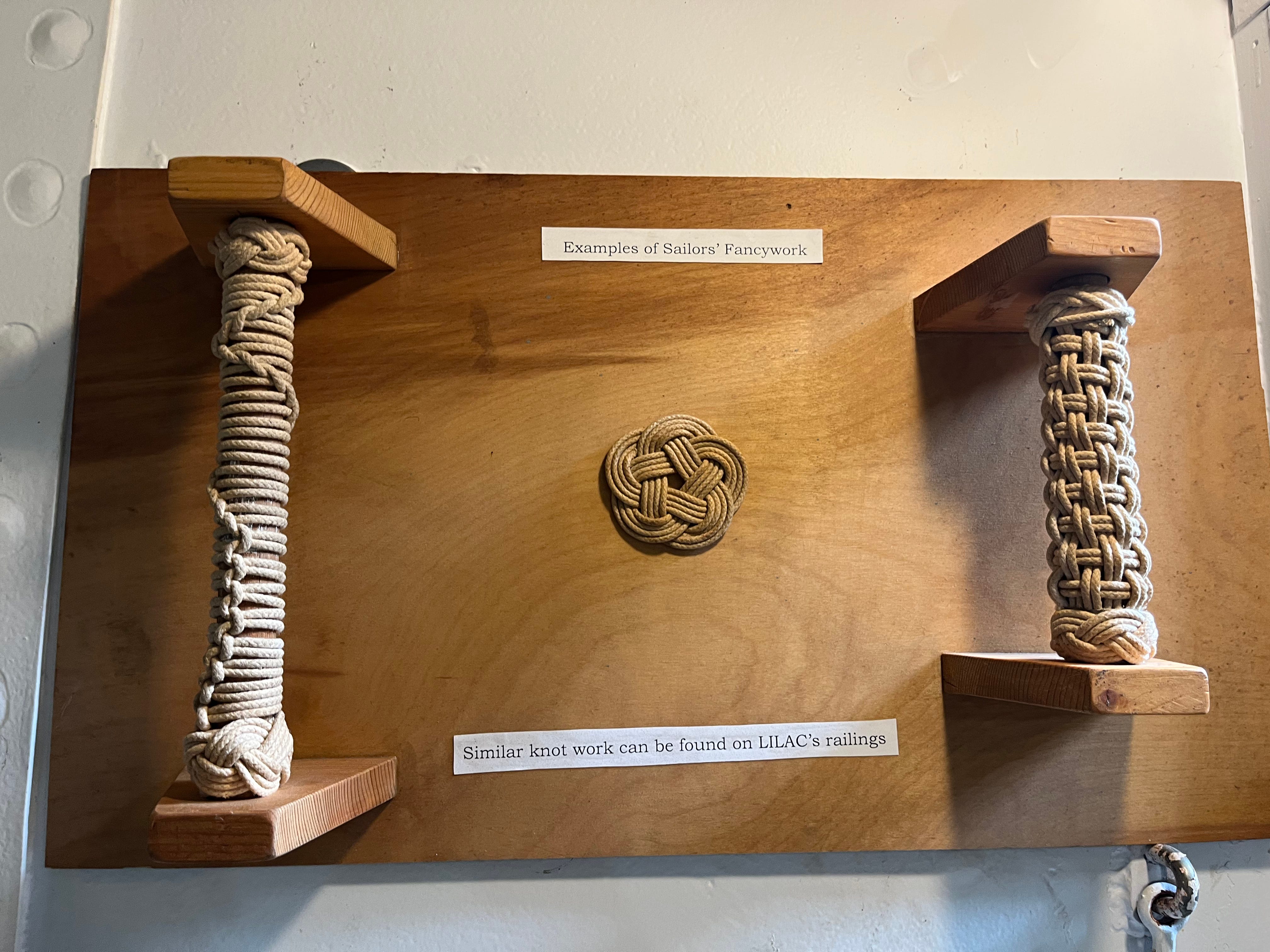
The Lilac is a historic steamship from the 1930s that served to maintenance lighthouses around the coast of New England. It was deeply charming and I loved wandering around on it and imagining myself employed as a lighthouse repair person spending my days hard at work and my nights letting the sea gently rock me to sleep.
Kehila Kedosha Janina Synagogue and Museum
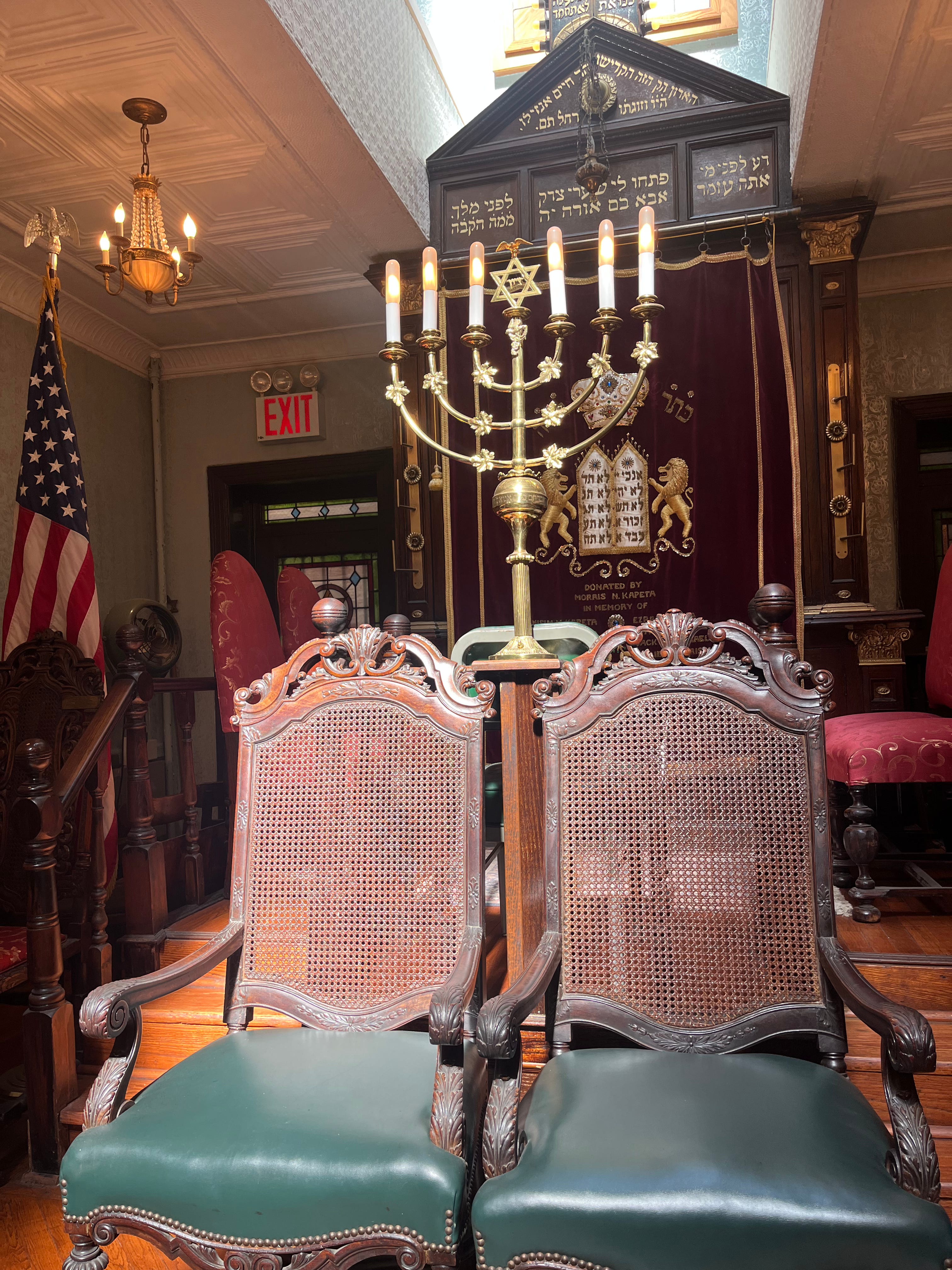
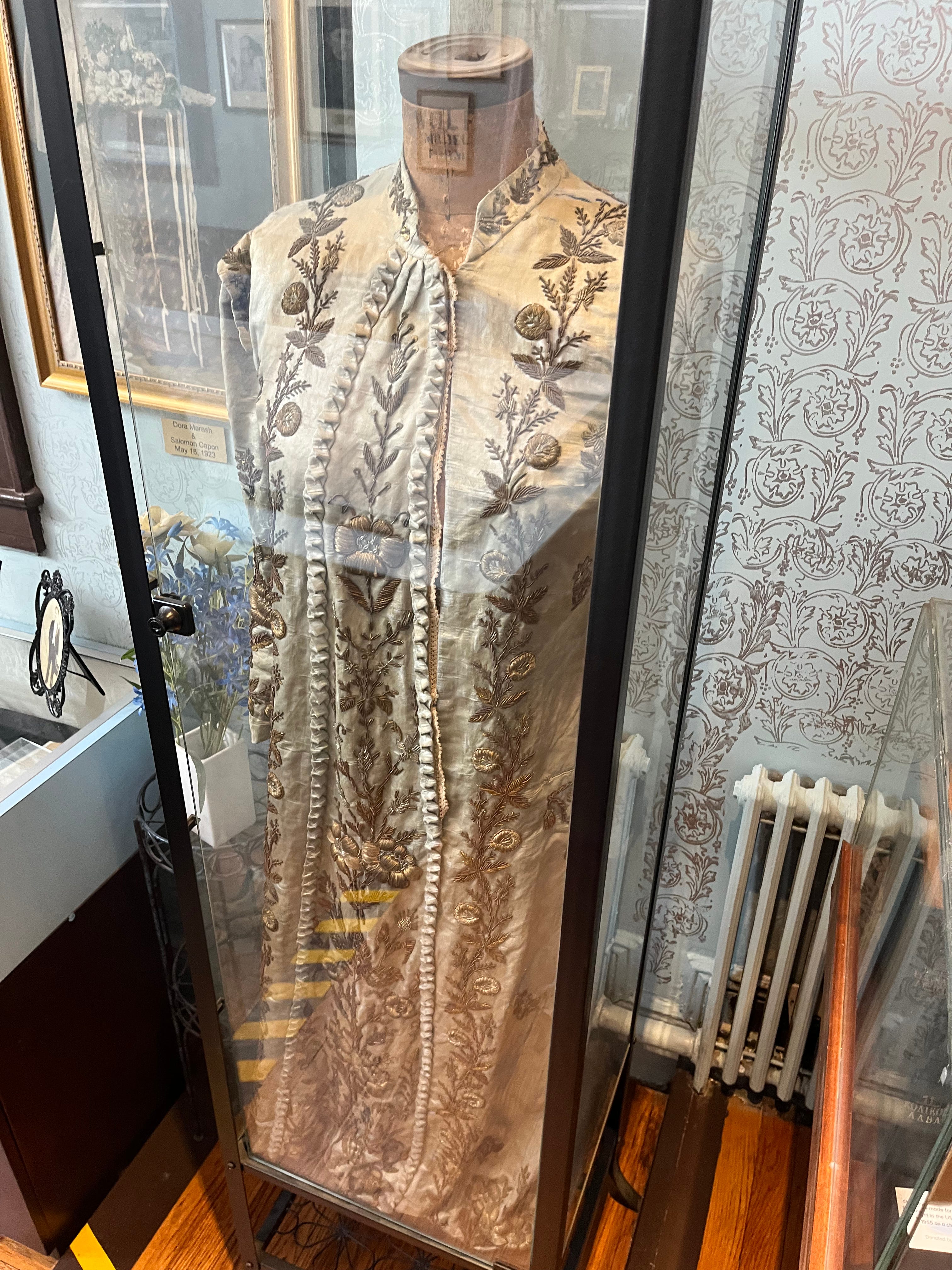
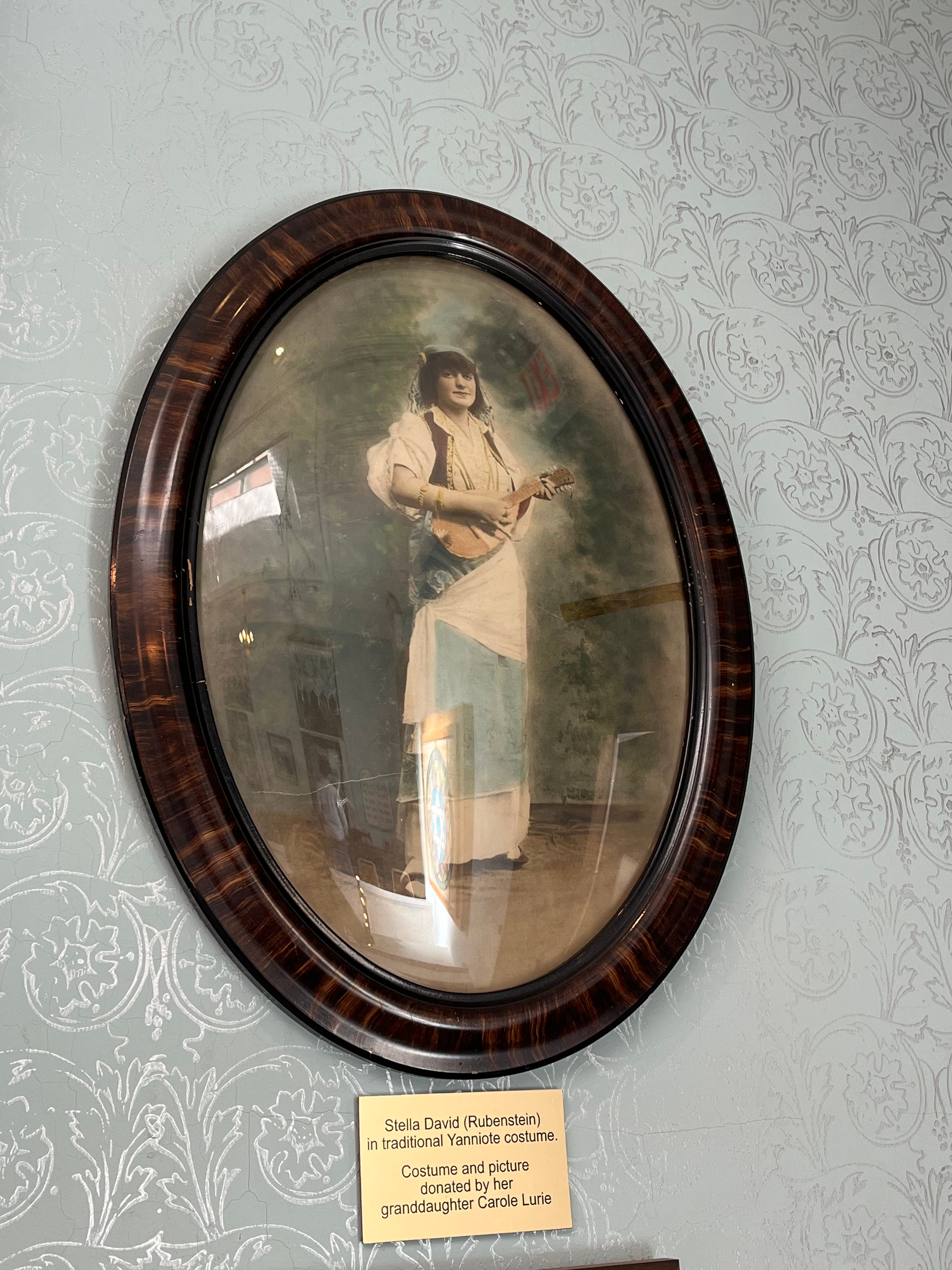
The Kehila Kedosha Janina is the only synagogue in the western hemisphere for the Romaniote branch of Jewish religion and culture— a small sect of Greek Jewish people said to have descended from slaves who shipwrecked on a Grecian island. Like many Jewish communities, many of them immigrated in the early 20th century and are now a close-knit but far-flung group all over the world. When I was visiting they were also receiving guests from Argentina, so I had the unique cultural privilege of getting a museum tour from a handsome Greek Jewish young man, delivered the entire time in a charming Spanglish mix.
Thank you guys so much for sticking with me through all this— I’m obviously still working through some writers block about getting these out into the world, and I’m working on finding a way past that/some alternate thing I could be putting up onto the blog in the meantime. Anyways, love you, see you soon!
Fantabulous!!! Cathy you are putting in the work. My favorite part of this one was the effortless segue from Jane Austin to the Mets. That’s your LIFE!!! You are living all of it!!! So proud to know you and may I say also proud to be a reader
Love this project! Every time you post/I talk to you about it I'm just so in awe of your dedication to the goal. It's really cool to learn about our city and its history through you (and the museums)! I really want to walk by/stumble across the Mmuseumm now :)